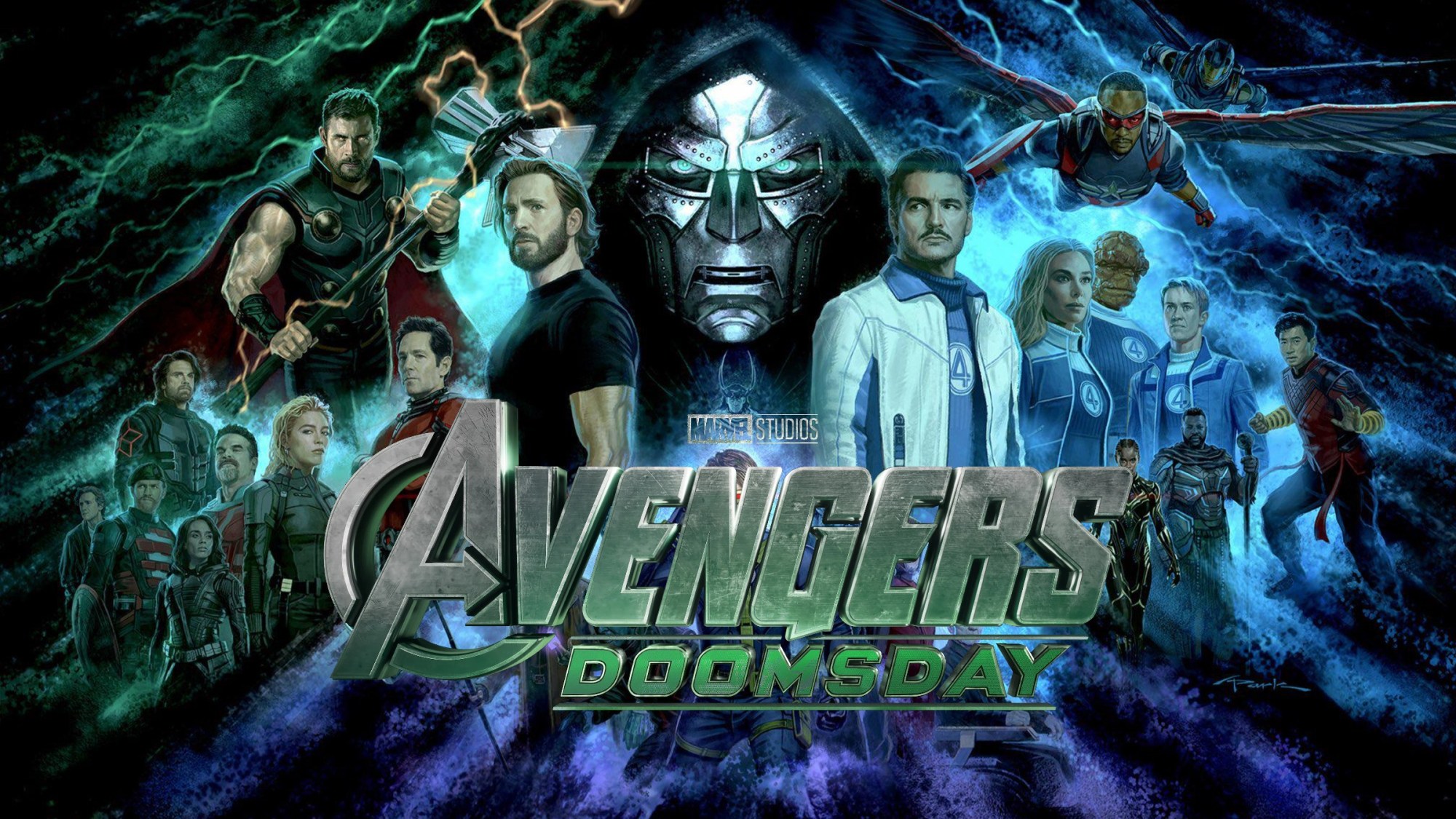
Marvel Studios is building the narrative foundation of Avengers: Doomsday around Jonathan Hickman's Time Runs Out comic storyline, anchoring the crossover's plot in multi-universal incursions and systemic collapse. Kevin Feige confirmed the narrative direction, which also incorporates structural elements from The Great Society arc featured in New Avengers. This storyline introduces parallel universe factions and existential moral conflicts as different realities collide. The approach signals a direct adaptation of Hickman's pre-Secret Wars buildup, focusing on the inevitable destruction of the multiverse and the desperate measures taken by remaining factions to survive.
Adapting Hickman's Multiverse Collapse
The plot mechanics drawn from Time Runs Out center on dying universes and the catastrophic impact of incursions. Within the source material, this framework forces heroes into utilitarian decisions regarding reality preservation. Alongside these narrative stakes, production signals point to a heavy reliance on legacy casting. Actor Jeremy Renner recently shared an image of his Hawkeye costume on social media, reinforcing expectations of a sprawling ensemble that brings back established veterans for the impending multiversal conflict. These legacy appearances function alongside the core plot to maximize crossover appeal ahead of the narrative reset.
Post-Secret Wars Strategic Realignment
Beyond the immediate scope of the Avengers double-feature, Marvel Studios is utilizing Secret Wars as a structural dividing line for the broader cinematic universe. Projects scheduled for 2027 and beyond, including upcoming iterations for the X-Men, Ghost Rider, and Black Panther 3, are positioned to establish new pillars for the franchise.
This dual strategy leverages heavy nostalgia and recognizable comic arcs to conclude the current era while simultaneously preparing a hard reset. By clearing the board of its legacy continuity through the mechanics of Secret Wars, Marvel aims to pivot the cinematic universe toward fresh character franchises and scaled-down narrative foundations once the multi-universal incursions conclude.
This transition reflects a calculated effort to mitigate franchise fatigue by moving away from endlessly expanding stakes and interconnected continuity. The introduction of The Great Society narrative elements further complicates this dynamic, bringing in complex philosophical challenges that mirror classic multiversal rivalries. These conceptual foundations allow the studio to test audience appetite for morally ambiguous storytelling before executing the planned reboot. Ultimately, the success of this transitional phase hinges on balancing the high-octane spectacle of nostalgic cameos with the establishment of durable new characters capable of sustaining the brand well into the next decade.


