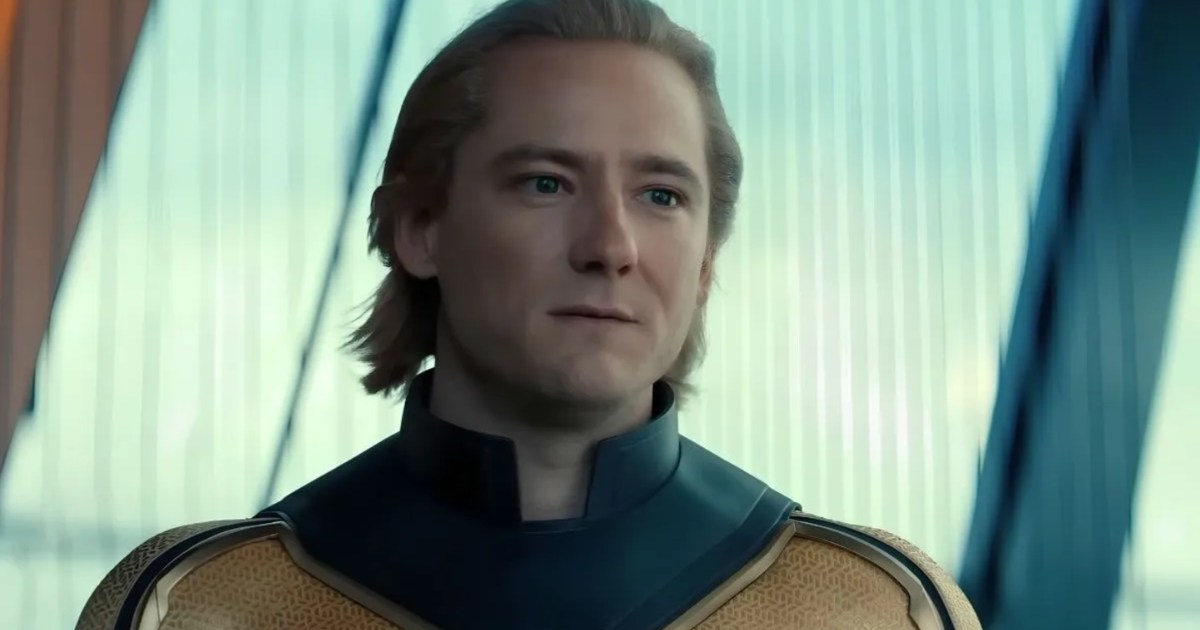
Marvel Studios has significantly restructured Lewis Pullman’s role as the Sentry in the upcoming Avengers: Doomsday, restricting the character's presence primarily to the third-act final battle. This structural adjustment follows ongoing narrative pacing issues identified during post-production checks. Alongside the Doomsday adjustments, industry reports indicate that a theatrical re-release titled Avengers: Endgame Encore is heading back to the big screen, incorporating four minutes of newly integrated runtime that has reignited speculation regarding retroactive continuity edits within the Infinity Saga finale.
Production Adjustments for Sentry
The decision to limit the Sentry's narrative footprint in Avengers: Doomsday mirrors Marvel's previous handling of Brie Larson’s Captain Marvel in Avengers: Endgame. Writers and directors determined that introducing a powerhouse character with reality-altering capabilities too early in the runtime compromised the dramatic stakes of the primary ensemble. By confining Pullman's character arc mostly to the concluding confrontation, the studio aims to preserve the central conflict among core heroes while utilizing the Sentry as a decisive climax element.
The Endgame Encore Re-Release
Running parallel to the Doomsday production shifts, the planned rollout of Avengers: Endgame Encore introduces a modified cut of the 2019 blockbuster featuring an expanded runtime. While Disney has not yet detailed the exact nature of the four additional minutes, industry sources point to a potential scene reshoot replacing Emma Fuhrmann with Kathryn Newton as Cassie Lang. Newton assumed the role of Scott Lang’s daughter in Ant-Man and the Wasp: Quantumania, prompting speculation that Marvel intends to establish visual continuity across the franchise by swapping out Fuhrmann's brief final-act appearance.
These concurrent developments signal a dual strategy by Marvel Studios: streamlining the narrative focus of upcoming ensemble events while subtly revising past entries to align with the current casting roster and multi-phase arc. For moviegoers, the immediate impact involves a more concise distribution of screen time for new heavy-hitters in Doomsday and an updated theatrical print of Endgame that bridges historical continuity gaps ahead of the next major crossover event.
This retrospective continuity adjustment highlights the studio's increasing reliance on seamless visual alignment as the overarching multiverse saga approaches its climactic milestones. By retroactively smoothing over casting discrepancies from earlier phases, executives appear eager to eliminate any potential distractions that might pull viewers out of the overarching narrative immersion.
At the same time, the strategic containment of powerful newcomers in upcoming ensemble projects underscores a broader lesson learned from past pacing critiques. Balancing an ever-expanding roster of caped crusaders requires rigorous editorial discipline to ensure that individual arcs do not overshadow the collective emotional core of the team dynamics. As these strategic pivots take shape across both current production pipelines and retrospective theatrical releases, fans will soon discover how effectively these refined pacing choices and continuity polishes elevate the cinematic universe's grand finale.