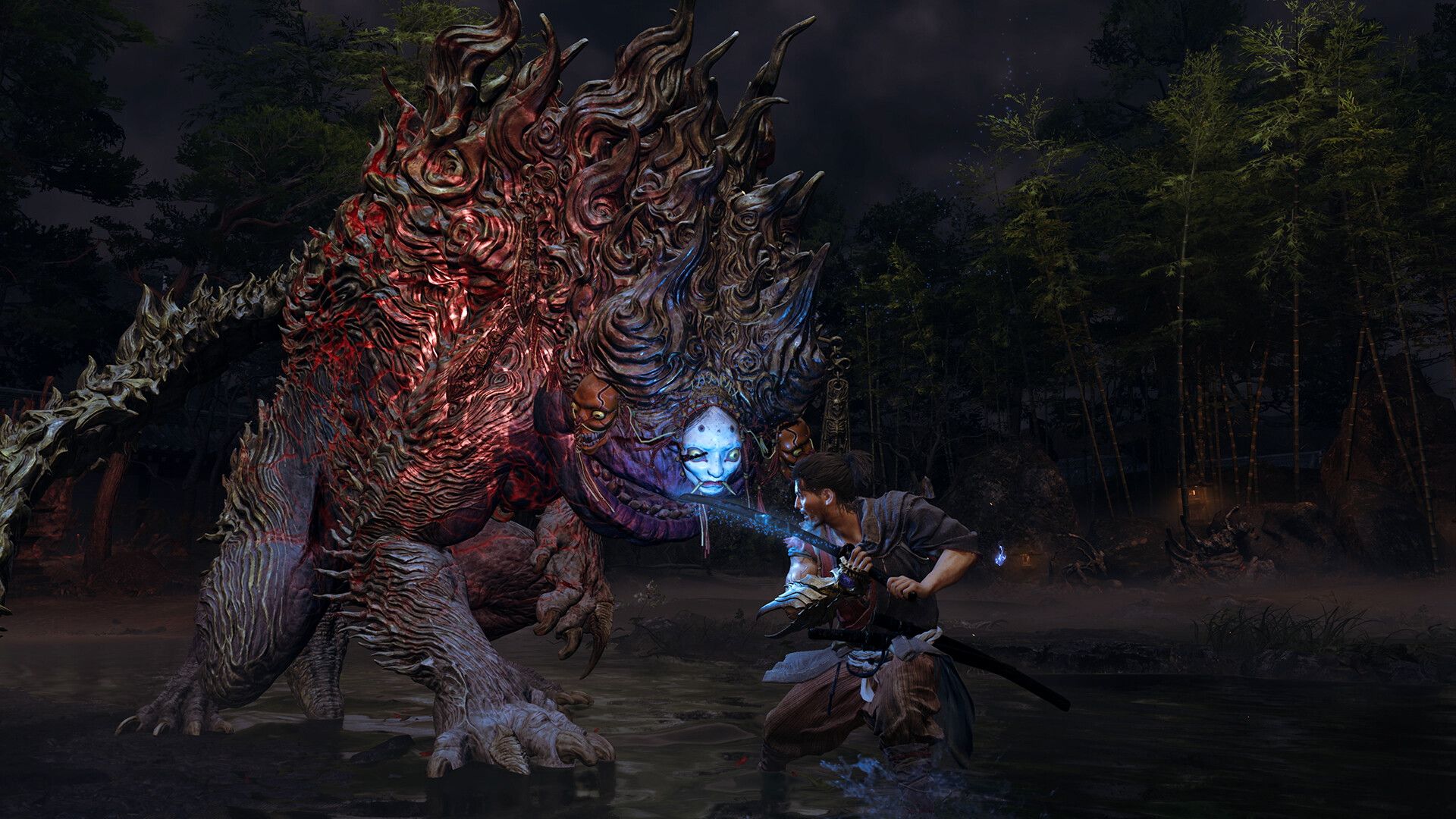
Capcom confirmed that Onimusha: Way of the Sword surpassed one million copies sold on its launch day, driving cumulative franchise sales past the ten-million-unit threshold. The milestone marks the commercial return of the action-adventure series two decades after the release of its last mainline installment.
Corporate Strategy and IP Revivals
During a financial briefing following the launch, corporate executives outlined a formal directive to mine the publisher's extensive back catalog. The strategy focuses on reactivating inactive franchises that have not received a new entry in recent years. Management stated that leveraging these dormant properties aims to maximize corporate value and diversify the company's release schedule alongside primary tentpole franchises like Resident Evil, Monster Hunter, and Street Fighter.
Production Pipeline Shifts
The commercial performance of the latest Onimusha release validated internal metrics regarding legacy brand recognition. Development resources are being reallocated to support both new installments and remasters of classic IPs. Studios within the company are currently evaluating proposals for properties that have been shelved since the PlayStation 2 and PlayStation 3 eras, with greenlights dependent on market demand and pitch viability.
This shift indicates that Capcom intends to balance its annual blockbuster output with mid-tier and resurrected legacy releases. The integration of older IPs into the active development pipeline alters the publisher's release cadence, increasing the frequency of franchise returns across current hardware platforms.
Industry analysts suggest that this deliberate pivot toward heritage properties reflects a broader market trend where nostalgia heavily drives consumer engagement and pre-order momentum. By reviving franchises that carry established goodwill, the publisher mitigates the financial risks typically associated with launching entirely new intellectual properties in a saturated market.
Furthermore, technological advancements in game development engines allow production teams to modernize classic gameplay loops and aesthetic styles with greater efficiency. This technological leverage ensures that resurrected titles can meet contemporary visual and performance standards without requiring the gargantuan budgets and extended development cycles of primary flagship projects.
As these legacy projects move further into production, players can anticipate official announcements regarding specific revived titles in the near future. Capcom’s leadership remains confident that this dual-track approach—maintaining blockbuster anchors while breathing new life into historical favorites—will sustain robust financial growth and reinforce the company's enduring legacy across the interactive entertainment landscape.