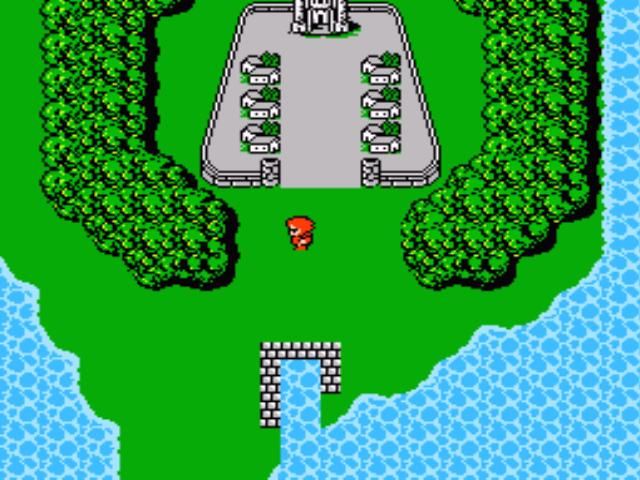
Composer Kumi Tanioka discovered an unauthorized album titled A Village Built on Wind published under her artist profile on Spotify and other major streaming platforms this August. Simultaneously, the Final Fantasy XIV community released the Crystal RP Census, a comprehensive demographic study analyzing over 10,000 active in-game roleplay characters across two months of data collection.
AI Generation on Streaming Profiles
The unauthorized release highlights ongoing metadata vulnerabilities across digital storefronts. Publisher Digital Sonic Design addressed the incident by stating the tracks likely originated from a different creator sharing the same name or were synthetically generated using artificial intelligence. YouTube Music subsequently flagged the release as AI-generated material.
The incident exposes systemic failures in verification protocols used by streaming aggregators. Established composers routinely find their verified accounts populated with soundalike or algorithmically generated compositions. These false attributions siphon streaming revenue and mislead listeners, forcing artists to manually monitor platforms and submit copyright takedown requests to protect their professional identities.
Community Data and Demographics
While platform infrastructure struggles with automated impostors, MMORPG player communities continue self-organized sociological documentation. The Crystal RP Census required a two-month compilation window to process submissions from more than 10,000 participants within the Final Fantasy XIV ecosystem.
The resulting dataset maps out detailed player habits, preferred server distributions, racial demographics, and organizational structures within the title's roleplaying subset. Such player-driven research fills a significant gap left by developers, who rarely publish granular metrics regarding social gameplay loops or informal player economies.
These developments illustrate contrasting pressures within the geek industry. Creators face mounting administrative friction from unregulated synthetic media flooding distribution pipelines, even as player bases leverage collective organization to document their own digital subcultures with academic precision.
For Tanioka and similarly situated musicians, the lack of proactive defense mechanisms means the burden of curation falls entirely on the creator. Digital distributors have been slow to implement biometric or rigorous identity checks before linking uploads to established artist pages, leaving automated scrapers free to exploit legacy algorithms. Until digital storefronts overhaul their ingestion pipelines, artists will remain tethered to reactive monitoring, caught in a perpetual cycle of flagging synthetic impersonators while trying to maintain legitimate career momentum in an increasingly saturated marketplace.
Ultimately, these parallel narratives underscore the complex reality of modern digital spaces. As synthetic media continues to blur the lines between authentic human artistry and algorithmic replication, communities are forced to rely on grassroots vigilance to preserve both their livelihoods and their shared cultural histories. Whether through manual copyright enforcement or community-led sociological studies, the resilience of creators and players alike remains the primary safeguard against the infrastructural shortcomings of the digital age.