A collaborative digital preservation effort has fully recovered the long-lost 2006 mobile spin-off Dirge of Cerberus: Lost Episode -Final Fantasy VII-, coinciding with new combat details for the upcoming Final Fantasy Resonance and an unexpected artistic contribution from franchise veteran Yoshitaka Amano.
Recovering a Lost Spin-Off
Game preservationist Yuvi and user Naoya Shinota extracted and decrypted the obscure mobile title, which had remained inaccessible since its original release era. The recovery required deploying a 90-GPU server farm running continuously for 72 hours, resulting in a total operational cost of roughly $900. This brute-force decryption successfully bypassed the proprietary barriers of the era's mobile architecture, granting archivists full emulation access to a previously unplayable piece of Final Fantasy VII history.
Resonance Gameplay and Amano Art
Square Enix released a five-minute gameplay showcase for Final Fantasy Resonance, outlining the mechanics of its upcoming release scheduled for October 22, 2026. The footage details a turn-based system centered on weakness-breaking mechanics alongside spectral Vision summons, including characters such as Squall, culminating in a boss battle against Shiva.
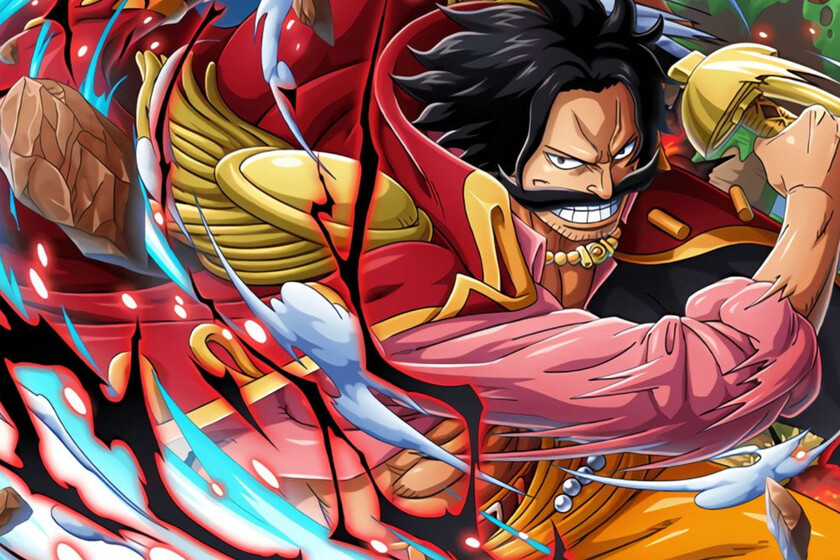
Simultaneously, veteran illustrator Yoshitaka Amano has stepped outside the franchise to produce new work for the One Piece Card Game. Amano has designed the Loki and Shamrock cards featured in Booster Pack Vol. 18, which launches in November 2026.
These concurrent developments bridge historical software recovery with active commercial output across the franchise and its adjacent properties. Archivists have secured a missing link in the compilation of Final Fantasy VII, JRPGs players face an imminent platform release in October, and card collectors gain access to new Amano illustrations ahead of the November expansion rollout.
The successful extraction of the 2006 spin-off highlights the growing technical sophistication required to safeguard early mobile gaming artifacts before they vanish completely from digital memory. As aging servers and proprietary formats decay, grassroots initiatives like the one led by Yuvi and Shinota demonstrate that community-driven server deployment can achieve what corporate archives often neglect. This milestone not only restores a missing puzzle piece to the extensive lore surrounding Cloud Strife and Vincent Valentine, but it also establishes a costly yet viable blueprint for rescuing other dormant software trapped within obsolete mobile environments.
On the contemporary development front, the forthcoming launch of Final Fantasy Resonance aims to blend classic tactical depth with modern visual presentation. The detailed breakdown of the weakness-break loop suggests that combat encounters will demand precise strategic planning rather than routine button-mashing, satisfying veterans of the genre. Furthermore, the integration of iconic summons like Squall as spectral entities hints at a broader nostalgic crossover appeal designed to anchor the new title firmly within the emotional lineage of the series.
Meanwhile, Yoshitaka Amano's collaboration with the One Piece trading card ecosystem underscores the enduring relevance of his distinctive, ethereal art style well beyond traditional JRPG boundaries. By lending his legendary aesthetic to characters like Loki and Shamrock, Amano bridges two massive fandoms, creating highly anticipated collector's items that will undoubtedly dominate the secondary market upon the expansion pack's debut. Together, these events illustrate a vibrant ecosystem where historical stewardship and fresh creative ventures continuously reinforce the cultural footprint of Japanese role-playing games.