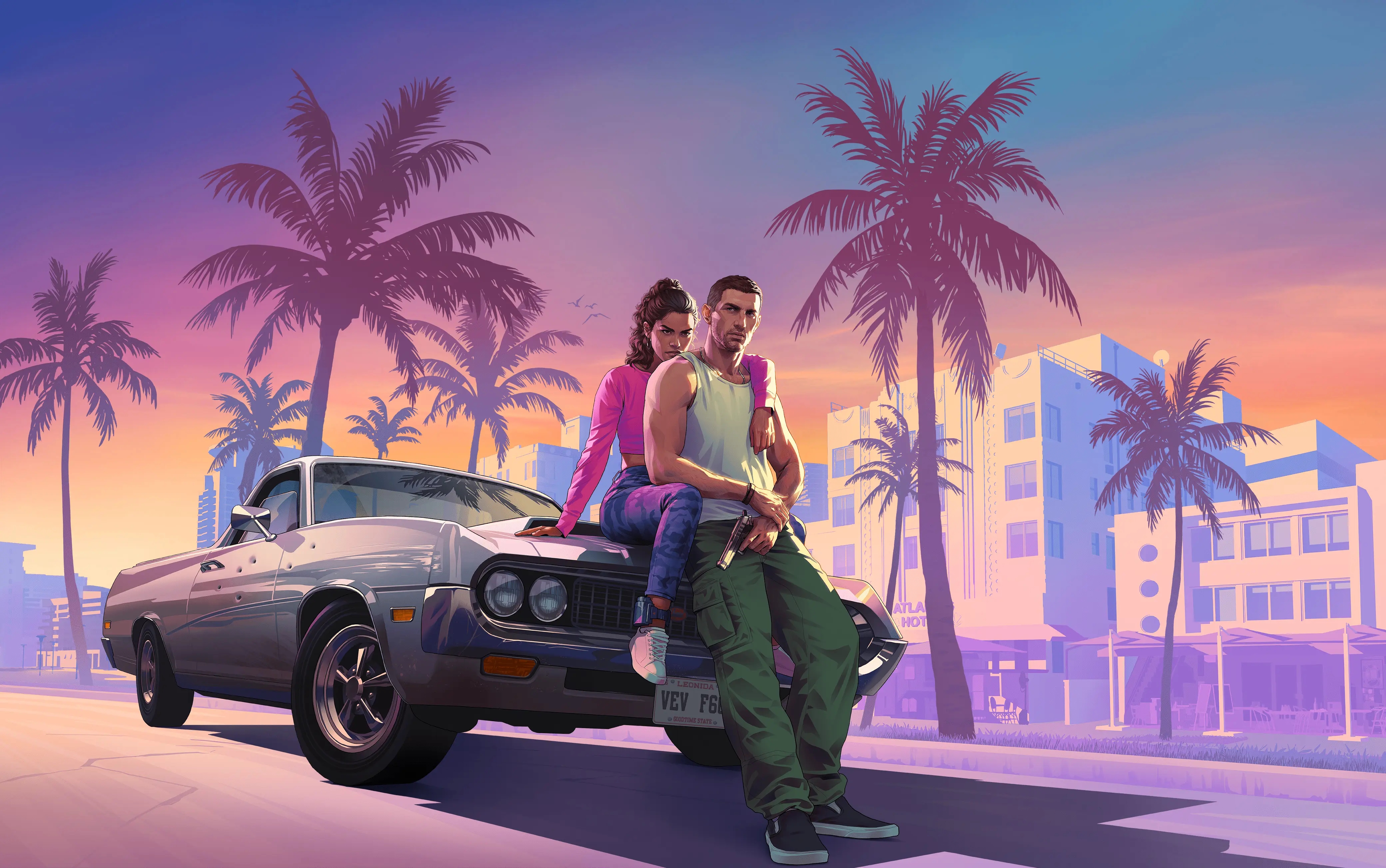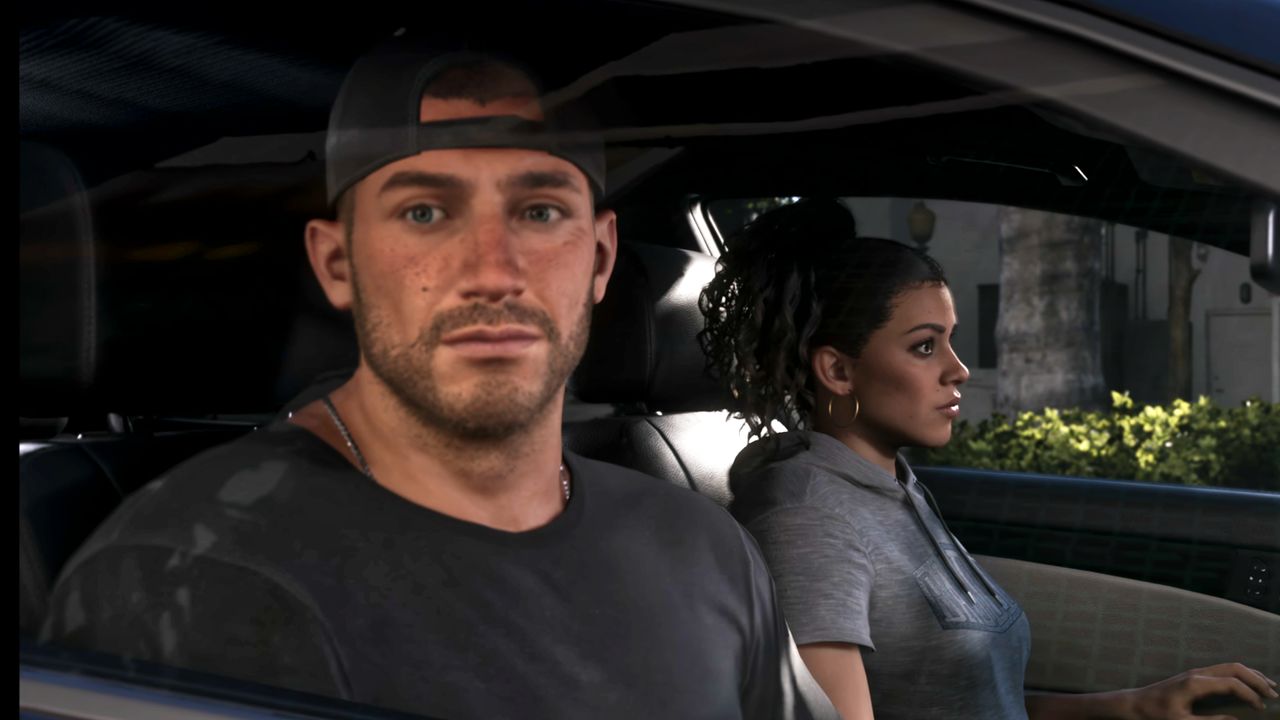
Rockstar Games has confirmed that Grand Theft Auto 6 will launch on November 19, 2026, for PlayStation 5 and Xbox Series X/S, completely excluding generative artificial intelligence and traditional microtransactions at release.
Pricing and Editions
The standard edition of the game will cost $79.99. Alongside it, Rockstar will offer an Ultimate Edition priced at $99.99. This higher tier includes exclusive cosmetic packs, in-game vehicles, weapons, and access to specific in-game establishments.
Players who purchase the standard edition at launch will retain the option to buy an Ultimate Edition upgrade separately at a later date.
Technical and Economic Model
The decision to omit generative AI tools from development aligns with Rockstar's traditional production methods, relying instead on handcrafted assets. Furthermore, the absence of microtransactions marks a shift from the post-launch monetization model that defined Grand Theft Auto Online for over a decade.
Instead of recurring microtransactions for currency generation, monetization relies on upfront tiered pricing and the $99.99 Ultimate Edition, which gates specific content such as dedicated clothing stores and tattoo parlors behind the higher purchase price.
This release structure establishes a fixed-cost consumer model for the base game while utilizing traditional premium edition bundling for additional cosmetic and geographic content.
By eschewing modern live-service monetization trends, Rockstar is signaling a return to a more controlled, curated experience. While the industry has increasingly leaned into battle passes and randomized loot boxes, this strategy emphasizes a complete product at launch, free from the intrusive prompts or algorithmic generation that have become prevalent in software development. The commitment to handcrafted assets ensures that every corner of the map remains consistent with the studio’s meticulous world-building standards, avoiding the uncanny artifacts often produced by automated systems.
However, the gating of specific establishments—such as high-end tattoo parlors and boutique clothing stores—within the Ultimate Edition introduces a new layer to the social hierarchy of the game’s virtual world. These locations are not merely cosmetic; they represent exclusive hubs that distinguish premium owners from those who opted for the standard $79.99 entry point. By locking these physical spaces behind a paywall, Rockstar is essentially creating a premium tier of social interaction within the game’s persistent environment. Players who choose the base experience will be able to navigate the city, but they will find themselves barred from accessing these specific, curated venues, which are designed to serve as status symbols within the game’s economy.
This move effectively replaces the uncertainty of microtransactions with a transparent, albeit segmented, consumer experience. It forces players to decide their level of engagement with the game’s culture and aesthetics before they even step foot in the city. While the absence of recurring, real-money transactions is a significant departure from the mechanics that fueled the longevity of previous titles, the tiered pricing structure ensures that the studio maintains a consistent revenue stream. Ultimately, this approach balances the demand for a premium, single-purchase title with the need to sustain long-term interest through exclusive, high-value content. As November 2026 approaches, the focus remains on whether this hybrid model—combining a fixed-cost base with premium-gated social spaces—will satisfy a player base long accustomed to the flexibility of the previous decade’s online ecosystem.