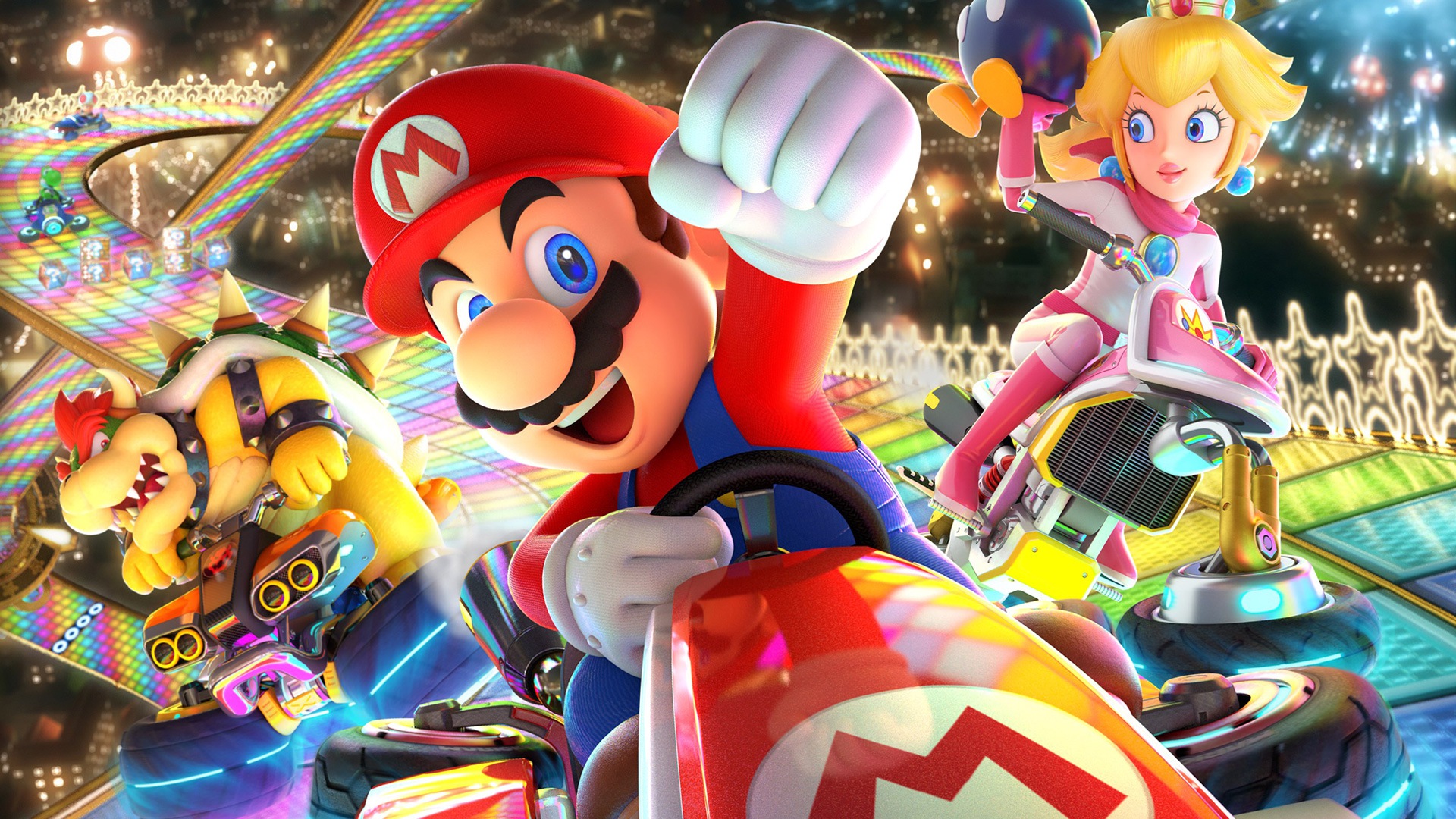
Nintendo has released a new update for Mario Kart 8 Deluxe, introducing technical enhancements designed for the upcoming Nintendo Switch 2 alongside the new CameraPlay feature. The patch upgrades performance on future hardware while expanding local multiplayer parameters.
Switch 2 Performance Upgrades
The update targets the hardware capabilities of the next-generation console, addressing two primary performance bottlenecks from the original Switch version. Players transitioning to the Nintendo Switch 2 will experience increased native rendering resolution and significantly reduced loading times across all tracks and menus. These adjustments utilize the upgraded processing architecture of the successor console to deliver smoother asset streaming and higher frame stability without altering the core racing mechanics established in 2017.
Expanded Local Multiplayer
In addition to visual and loading optimizations, the software revision modifies local multiplayer architecture to support up to eight players on a single console simultaneously. Previously limited by hardware thresholds, the updated split-screen framework allows eight distinct participants to race locally on one device, provided enough compatible controllers are connected. This functionality bridges the gap between traditional couch co-op and large-scale local lobbies.
CameraPlay Integration
The patch also introduces CameraPlay support, integrating video functionality directly into multiplayer sessions and GameChat. Using a compatible external camera connected to the console, players can display real-time face-views of participants during races or communication menus. This feature operates natively within the game’s updated software environment, requiring no external applications for video feeds during local or online connectivity.
These updates confirm that Nintendo is positioning its long-running kart racer as a cross-generation bridge. By combining backward-compatible technical boosts with hardware-dependent features like CameraPlay and expanded single-device lobbies, the publisher establishes a direct technical baseline for how legacy titles will transition into the Switch 2 ecosystem.
This strategic rollout highlights how older software can be retrofitted to showcase modern hardware advantages. Rather than forcing players to wait for a brand-new entry in the franchise, Nintendo is revitalizing its enduring best-seller to serve as an immediate showcase for the successor console's expanded RAM and superior graphical throughput.
Furthermore, the implementation of CameraPlay hints at broader system-level communication tools anticipated for the new platform, bridging the gap between casual party gaming and integrated social features. As the industry moves toward more interconnected living room experiences, these targeted enhancements ensure that staple titles remain relevant and technologically competitive without losing their original accessibility.