Marvel Studios has established its post-Secret Wars theatrical calendar for 2028 and 2029, setting up a synchronized multi-media expansion alongside Marvel Comics. The multi-year plan follows the conclusion of the current narrative arc with Avengers: Secret Wars in December 2027, establishing an aggressive release schedule dominated by mutant-centric storytelling.
Phase 7 Theatrical Calendar
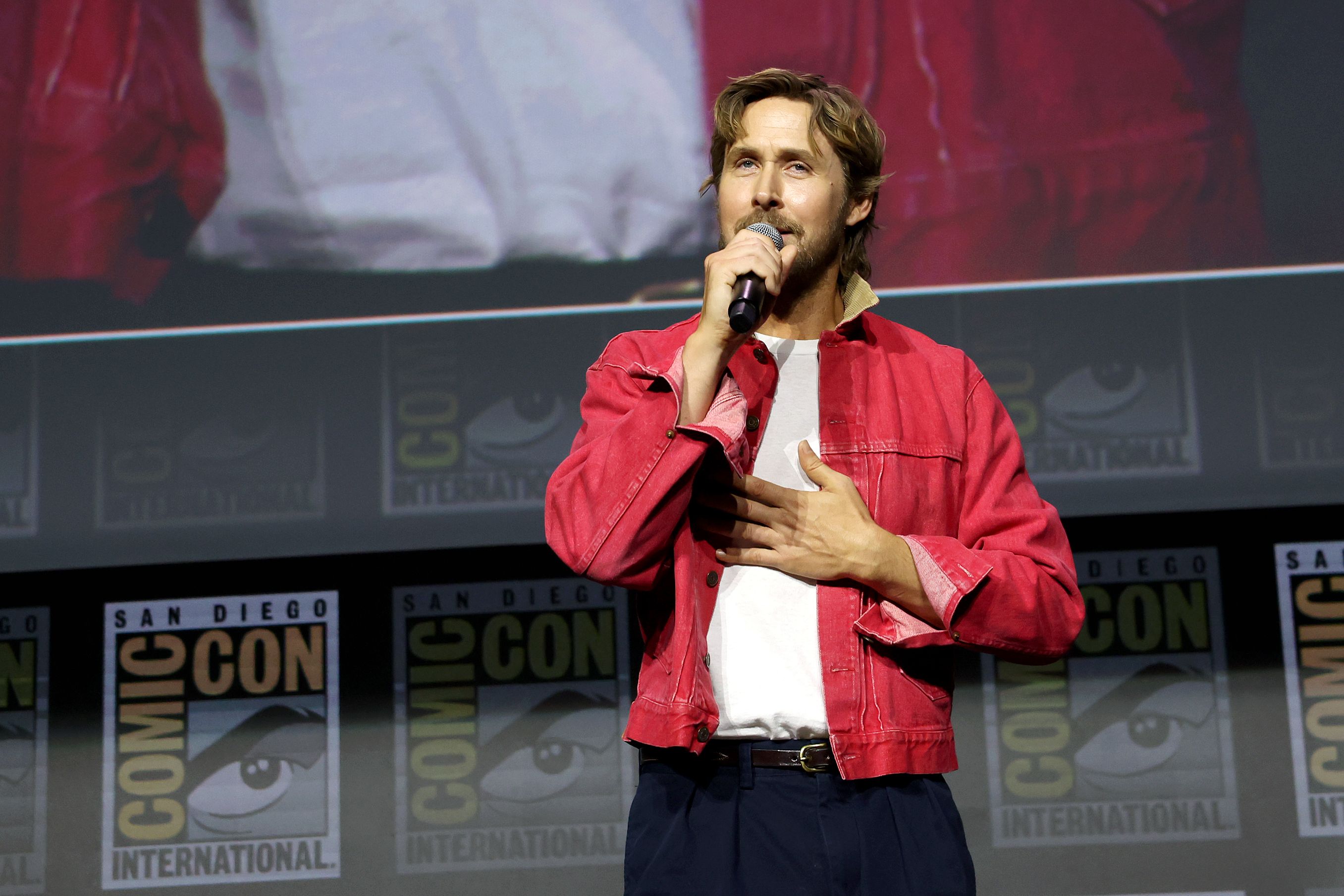
The studio's slate kicks off on May 5, 2028, with the franchise reboot of X-Men. Directed by Jake Schreier, the film features Sadie Sink as Jean Grey, Kit Connor as Cyclops, Christopher Abbott as Professor X, and Adam Driver as Mister Sinister. The summer schedule continues with Ghost Rider, starring Ryan Gosling, slated for July 28, 2028. The 2028 calendar concludes with Black Panther 3 on December 15. The lineup maps out Marvel's primary theatrical focus following the multiverse-ending events of the sixth phase.
Comic Continuity Shift
Simultaneously, Marvel Comics is aligning its print publication line with the studio's cinematic priorities. Writer G. Willow Wilson is set to establish Felicia Hardy as an official mutant in Black Cat #17, publishing on December 9. The issue integrates the character directly into the X-Men publishing apparatus, altering her decades-long status quo as a non-powered human thief with luck-manipulation tech.
These synchronized updates indicate a deliberate corporate strategy to bridge print and film properties ahead of the X-Men's cinematic introduction. By retrofitting established characters into the mutant designation in comics while simultaneously rolling out major franchise reboots on screen, Marvel is preemptively establishing the narrative architecture for its post-2027 transmedia ecosystem.
This cross-medium synchronization underscores a broader executive initiative to unify the brand's literary and cinematic arms, ensuring that long-standing comic readers and theatergoers encounter a cohesive continuity. As the studio pivots away from the sprawling multiverse narratives that defined the Multiverse Saga, the deliberate concentration on mutant lore points to a more grounded, internally focused era for the superhero giant. This structural alignment between page and screen provides both creative teams and audiences with a clear, predictable roadmap, mitigating the narrative fatigue that plagued earlier multi-platform experiments.
Ultimately, this dual-front rollout guarantees that the intellectual property remains potent across different forms of media, setting the stage for a dominant cinematic and literary footprint as Marvel enters the next decade.