Nintendo has published the latest eShop download rankings for the Nintendo Switch 2 alongside the complete software roster supporting the platform's new game-key card physical distribution format.
eShop Download Charts and Pricing
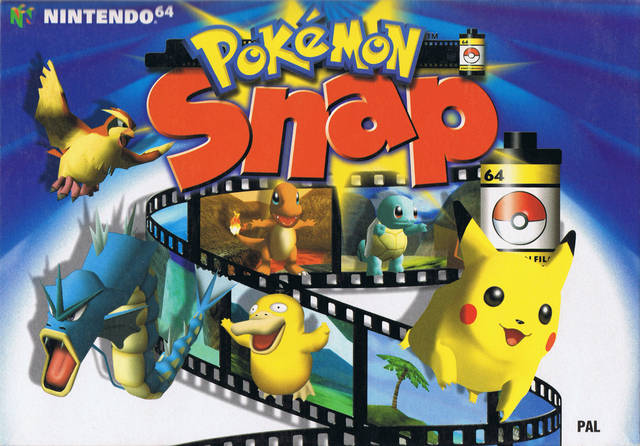
The platform's digital storefront rankings highlight initial consumer adoption trends and software pricing models for the new hardware generation. Pokémon Pokopia leads current software movement, retailing at 69.99 euros, while Mario Kart World holds a prominent position on the charts at 79.99 euros. These price points reflect the baseline cost for major first-party and exclusive releases on the second-generation console.
Game-Key Card Software Lineup
Parallel to the digital charts, Nintendo detailed the physical software releases utilizing the recently introduced game-key card format. The confirmed lineup comprises high-profile third-party titles, including Assassin's Creed Shadows, Borderlands 4, Elden Ring: Tarnished Edition, and Square Enix's Final Fantasy 7 Rebirth. This format bridges traditional physical distribution with modern digital infrastructure.
The implementation of game-key cards establishes a distinct middle ground between purely digital purchases and traditional cartridges. Players who buy a game-key card receive a physical medium that requires an initial data download prior to offline gameplay. However, unlike standard digital download codes tied permanently to a single user account, the physical game-key card retains hardware-level utility, allowing owners to physically lend or resell the item after use.
This consumer-friendly approach addresses long-standing criticisms regarding the absolute lack of ownership associated with pure digital storefront acquisitions. By preserving the secondary market potential of physical media while accommodating the massive asset sizes of modern blockbuster software, the hardware manufacturer aims to ease the transition into this next-generation ecosystem for both brick-and-mortar retailers and value-conscious players alike.
Ultimately, this hybrid strategy positions the new platform to navigate the logistical challenges of modern game development successfully. As developers continue to push graphical and narrative boundaries, requiring storage capacities that frequently exceed traditional cartridge limits, innovations like the game-key card ensure that physical storefronts remain relevant. By balancing modern distribution demands with consumer rights, Nintendo has crafted a sustainable blueprint for the future of console gaming.