A native YouTube application is reportedly prepared for the upcoming Nintendo Switch 2, while Sega Genesis classics such as Shining Force and Gunstar Heroes remain accessible through the existing Nintendo Switch Online Expansion Pack. These software developments outline both the initial media capabilities of Nintendo's next-generation hardware and the ongoing retro library strategy for the current ecosystem.
YouTube App Integration
Industry insider Nash Weedle reports that a dedicated YouTube application for the Nintendo Switch 2 has been developed and is currently undergoing final approval processes with Nintendo. The inclusion of a native media streaming app at or near the hardware's commercial launch addresses a functional gap present during the early months of the original Switch's lifecycle, providing out-of-the-box video streaming access without requiring web-based workarounds.
Sega Genesis Library Expansion
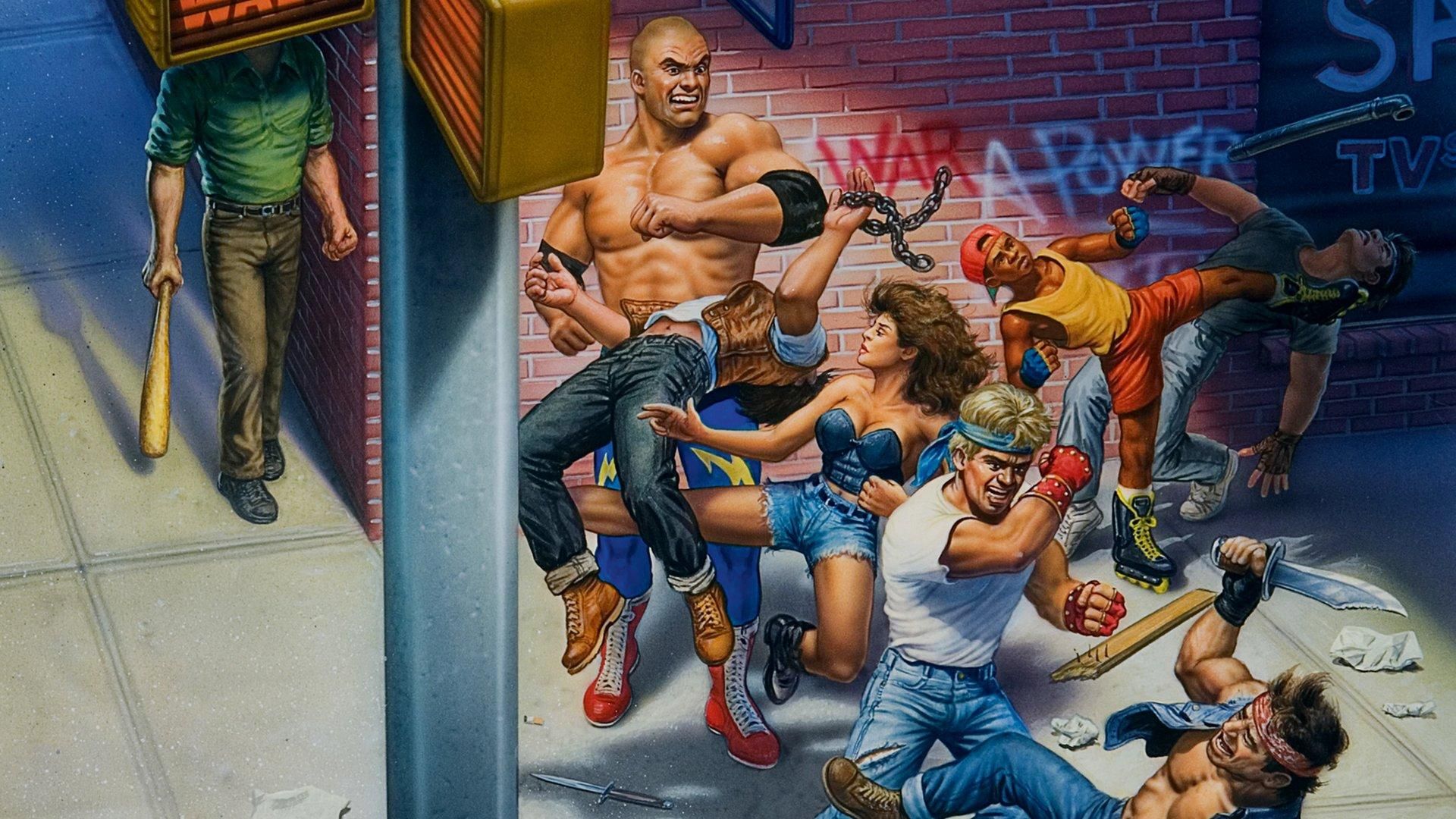
Parallel to hardware-adjacent software leaks, the Nintendo Switch Online Expansion Pack continues to maintain its 16-bit catalog. Subscribers retain access to Sega Genesis titles developed by third-party studios, specifically Climax Entertainment and Sonic Software Planning's tactical role-playing game Shining Force and Treasure's run-and-gun shooter Gunstar Heroes.
These legacy releases incorporate modern emulation features standard to the subscription tier. Players utilize integrated quality-of-life tools, including instant game state rewinding, state saving, and custom button mapping configurations tailored to contemporary controllers.
The concurrent emergence of native media application logistics and retro library retention points to Nintendo's dual approach for hardware transitions. While upcoming platforms secure baseline entertainment utilities prior to release, legacy infrastructure continues to support iterative software additions for existing subscribers.
This strategy ensures that both early adopters of next-generation hardware and loyalists within the current ecosystem receive continuous software support. For the upcoming platform, establishing robust multimedia functionality early on signals an intent to position the device not just as a gaming console, but as a comprehensive home and portable entertainment hub. Meanwhile, the preservation of foundational titles via subscription tiers guarantees that historical software availability remains uninterrupted across generational shifts.
Industry observers note that securing non-gaming applications prior to a console's debut helps mitigate consumer friction during the critical launch window. As manufacturers navigate the logistical hurdles of rolling out successor hardware, coordinating third-party streaming partnerships ensures that baseline expectations for modern digital consumption are met immediately.
Ultimately, these concurrent developments highlight a maturation in how hardware ecosystems manage both forward-looking multimedia integration and backwards-facing software stewardship. By addressing functional media demands alongside curated retro accessibility, manufacturers can bridge the gap between contemporary utility and nostalgic appreciation, satisfying a diverse consumer base as the industry edges closer to its next hardware generation.