Nintendo has released a targeted technical patch for Pikmin 3 Deluxe on the Switch 2, bringing native higher-resolution support alongside new local multiplayer features. Simultaneously, developer Shift Up has confirmed that its ongoing technical work bringing the original Stellar Blade to Nintendo's new hardware is actively shaping the architecture of its upcoming sequel, Stellar Blade: Blood Rain.
Pikmin 3 Deluxe Enhancements
The update addresses long-standing visual limitations by scaling rendering resolutions to match the Switch 2’s docked and handheld hardware profiles. Beyond graphical improvements, the patch integrates GameShare functionality directly into the title's Bingo Battle mode. This allows two players to compete using a single copy of the game via local wireless transmission. The implementation utilizes the console's updated local streaming protocols to maintain consistent frame rates during split-screen sessions.
Stellar Blade Port Pipeline
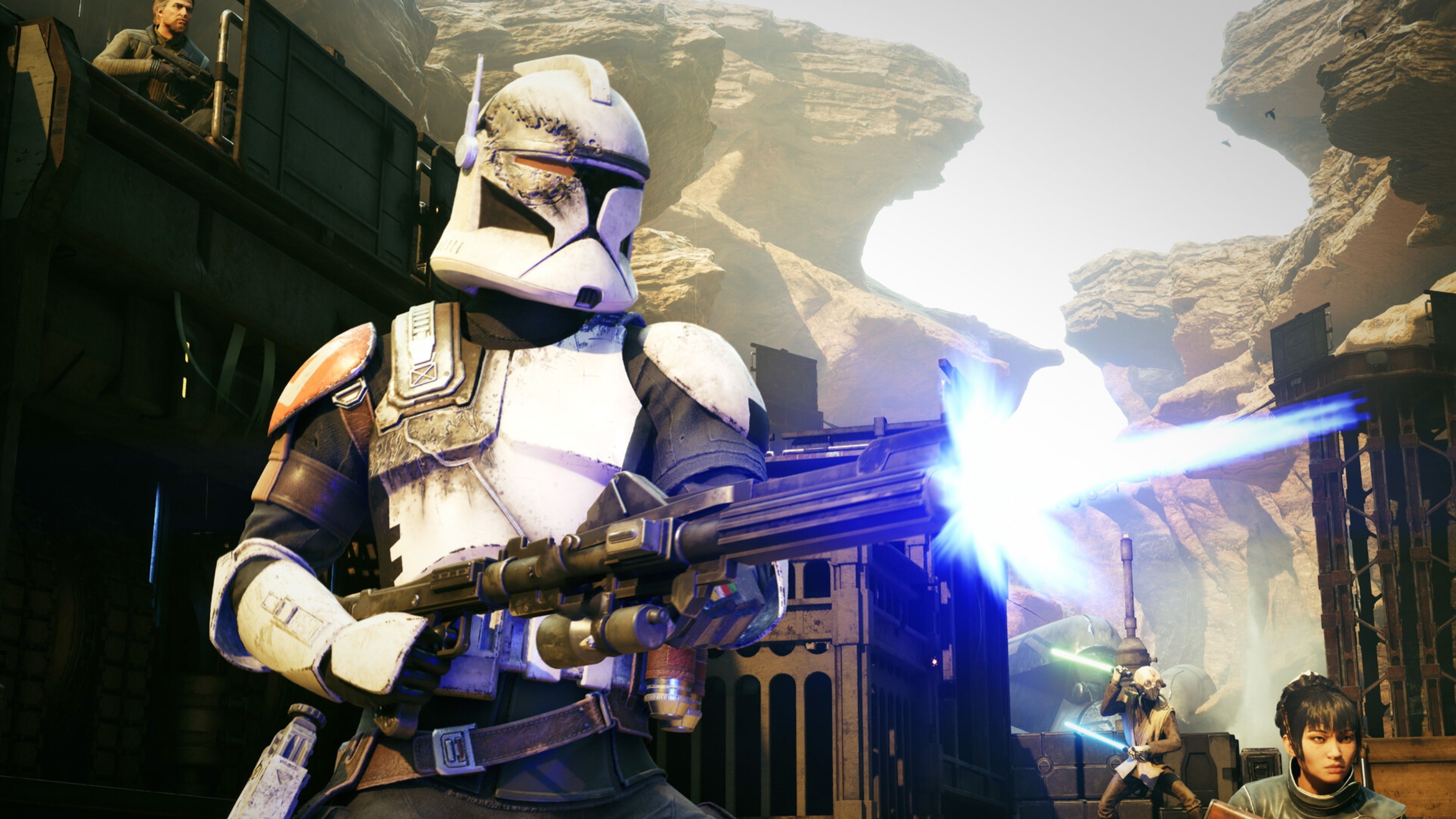
Shift Up CTO DongKi Lee detailed the studio's technical adaptation of Stellar Blade for the Switch 2 ecosystem during an investor relations briefing. Porting the action title required targeted asset compression and shader optimization to run within the platform's thermal and memory constraints. Lee stated that these engineering solutions are not restricted to the first game. The pipeline established during the porting process is currently being utilized to evaluate hardware targets for future company projects.
Franchise Expansion Strategy
The integration of Switch 2 development parameters into Shift Up's core framework indicates a shift toward simultaneous multi-platform support for upcoming releases. While the studio has not formally announced a day-one release for Stellar Blade: Blood Rain on Nintendo hardware, the engineering team's current focus on maintaining visual parity across platforms makes a subsequent port operationally viable. For current hardware owners, the updates signal an accelerated pace of third-party optimization and first-party enhancement patches as the console enters its active software lifecycle.
Industry analysts note that Shift Up’s proactive approach to hardware adaptation highlights a growing confidence among developers regarding Nintendo's next-generation architecture. By tackling the heavy optimization work early in the development cycle, the studio minimizes the technical debt typically associated with retroactive downports. Meanwhile, Nintendo's continued investment in upgrading legacy titles like Pikmin 3 Deluxe demonstrates a clear strategy to ensure the back-catalog remains visually competitive against newer releases on the platform.
Ultimately, these developments point to a maturing ecosystem where hardware transitions are met with immediate technical support rather than protracted waiting periods. As developers continue to unlock the capabilities of the Switch 2, consumers can expect a seamless bridge between past libraries and future franchises, ensuring that both critically acclaimed titles and ambitious new sequels find a robust home on the platform.