Nintendo has detailed its hardware lineup and technical targets for the Switch 2, anchored by a dense September release schedule and specific performance benchmarks for third-party AAA ports.
September Release Lineup
The platform's autumn software schedule begins with Digital Sun’s Moonlighter 2 on September 2, followed immediately by Orbitals on September 3 and Capcom's Onimusha: Way of the Sword on September 4.
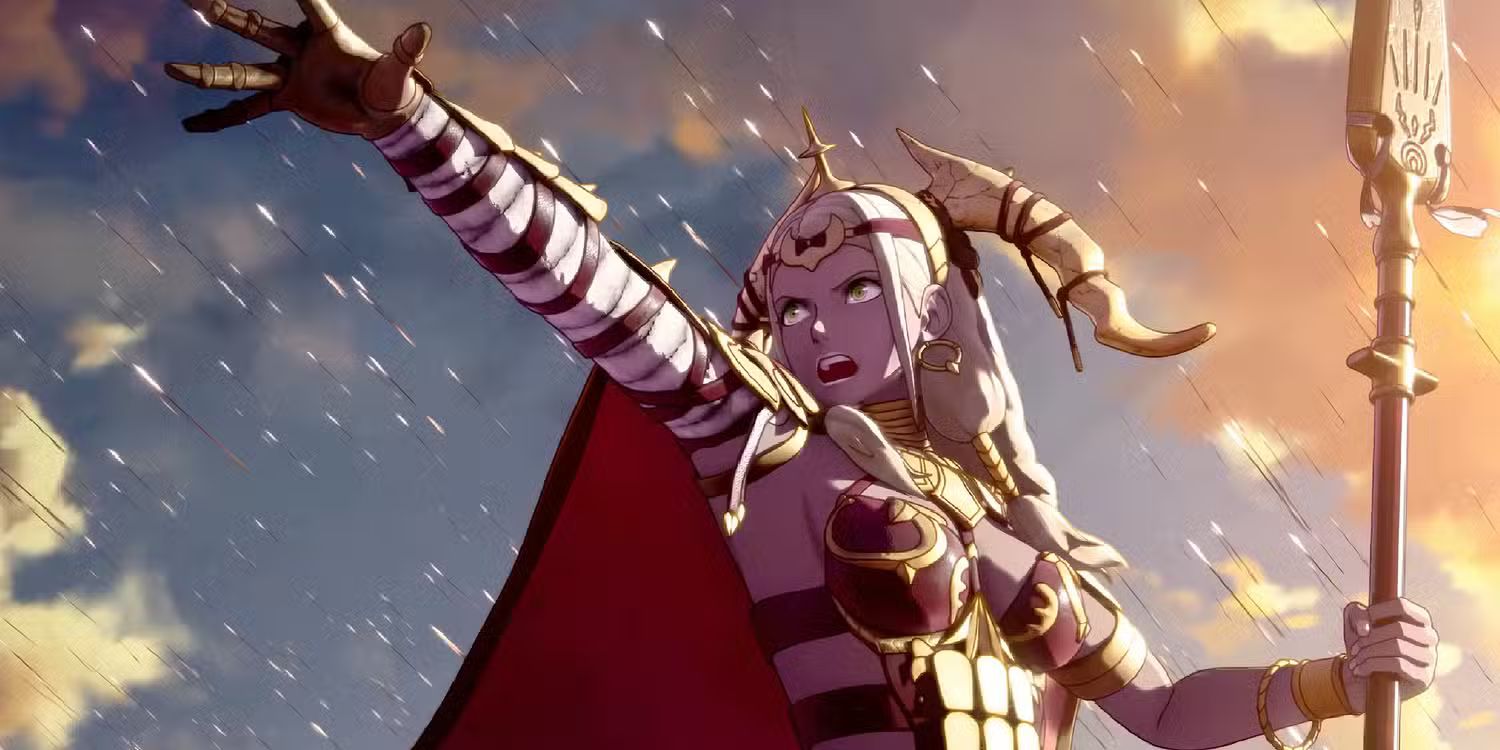
Mid-month highlights feature Nintendo's major first-party tactical role-playing release, Fire Emblem: Fortune's Weave, scheduled for September 17. The monthly rollout concludes with EA Sports FC 27 on September 25, establishing a steady cadence of releases during the console's active launch window.
Stellar Blade Technical Targets
Alongside software release dates, developer Shift UP has confirmed performance parameters for Stellar Blade on the Switch 2 hardware. The studio is targeting a stable 60 frames per second across both docked and handheld operational modes.
To achieve this frame rate, the implementation relies on a combination of rendering resolutions and scaling technologies. In docked mode, the game renders at 1080p, utilizing Nvidia DLSS for image reconstruction. In handheld mode, the native rendering resolution drops to 720p, paired with AMD FSR 3.1 frame interpolation to maintain visual fluidity without compromising the performance target.
These deployment strategies indicate how developers intend to leverage the hybrid architecture of Nintendo's new hardware. By combining hardware-specific upscaling with interpolation techniques, demanding software can meet performance standards across both mobile and television display configurations.
The reliance on this hybrid upscaling approach marks a significant departure from previous Nintendo hardware generations, which often struggled to achieve parity between docked and portable experiences. By integrating Nvidia’s DLSS alongside AMD’s FSR 3.1, the Switch 2 is effectively bridging the gap between mobile energy constraints and the graphical fidelity expected of modern AAA console gaming. This technical flexibility ensures that high-intensity titles, such as Shift UP’s action-heavy epic, do not feel like compromised experiences when played on the go.
Industry analysts suggest that this strategy is designed to minimize the friction for third-party developers looking to port large-scale projects to the platform. If the performance targets for Stellar Blade are met consistently, it could signal a broader trend of major studios prioritizing the Switch 2 as a viable primary platform for their flagship titles. The ability to maintain a consistent 60 FPS across varying power profiles is a critical benchmark for the console’s long-term success in a market increasingly dominated by high-fidelity gaming.
Furthermore, the diversity of the September lineup—ranging from the indie-focused charm of Moonlighter 2 to the high-budget spectacle of Onimusha and the tactical depth of Fire Emblem—demonstrates Nintendo’s commitment to a broad demographic. By curating a release schedule that balances long-standing franchise staples with fresh third-party partnerships, the company is positioning the Switch 2 to capture both the hardcore enthusiast market and casual players from the very first month. As the console nears its official launch, the focus will likely shift from these technical specifications to how well the hardware manages thermal output and battery efficiency during extended play sessions of these demanding titles. The coming weeks will be instrumental in determining whether these ambitious performance goals translate into a seamless user experience that can define the next era of portable gaming.