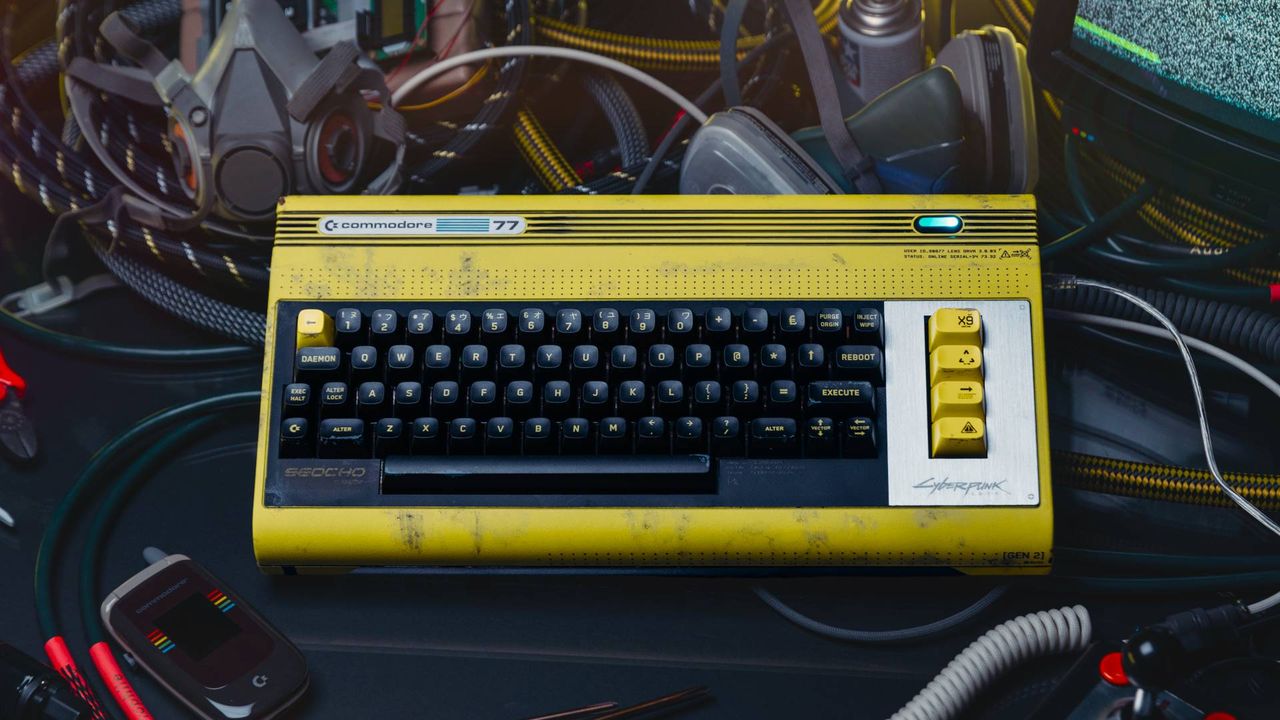
Publisher KRAFTON and developer Neon Giant have announced NO LAW for a 2027 release on PlayStation 5, Xbox Series X/S, and PC, alongside Commodore's hardware reveal of the Commodore 77 FPGA computer developed in partnership with CD Projekt Red.
NO LAW set for 2027
NO LAW is a single-player, choice-driven cyberpunk title starring war veteran Grey Harker. Set in the noir metropolis of Port Desire, the game blends tactical stealth with direct combat mechanics. The narrative centers on systemic corruption and high-stakes survival, utilizing player-driven choices to alter story outcomes.
The title will release across Steam, the Epic Games Store, and the Microsoft Store simultaneously with the console editions next year. Neon Giant has structured the campaign around reactive environments that require players to alternate between covert infiltration and heavy firefights based on tactical assessments.
Commodore 77 hardware specifications
Commodore revealed the Commodore 77, a limited-edition FPGA computer styled after Cyberpunk 2077. Built using an AMD Xilinx Artix-7 XC7A100T FPGA chip, the system runs at a base clock speed of 77MHz. The hardware achieves 99.9% compatibility with original vintage software libraries while integrating modern connectivity standards, including HDMI output and built-in Wi-Fi adapters.
The hardware package includes a physical 8-bit Cyberpunk demo cartridge, a themed BASIC programming manual, and custom chiptune music composed by LukHash utilizing a 24-channel stereo SID sound architecture.
These announcements place retro-inspired hardware and modern cyberpunk software at the forefront of this year's industry hardware and software pipelines. The concurrent emergence of high-end cyberpunk media alongside a niche FPGA microcomputer points to sustained market demand for retro aesthetic integration within contemporary computing and gaming hardware sectors.
This dual hardware and software convergence underscores a broader industry trend where nostalgia functions not merely as an aesthetic choice, but as a primary driver for hardware innovation. By bridging the gap between vintage computational architecture and contemporary display standards, manufacturers are tapping into a lucrative demographic of enthusiasts who value physical media and tactile computing experiences alongside cutting-edge digital storytelling.
Ultimately, whether players choose to immerse themselves in the gritty, morally ambiguous streets of Port Desire through NO LAW, or experiment with the bleeding-edge retro capabilities of the Commodore 77, the intersection of past and future aesthetics has never been more vibrant. As developers continue to push narrative boundaries and hardware manufacturers look backward to move forward, this unique fusion ensures that the spirit of cyberpunk innovation will remain a dominant force across both digital and physical landscapes for years to come.