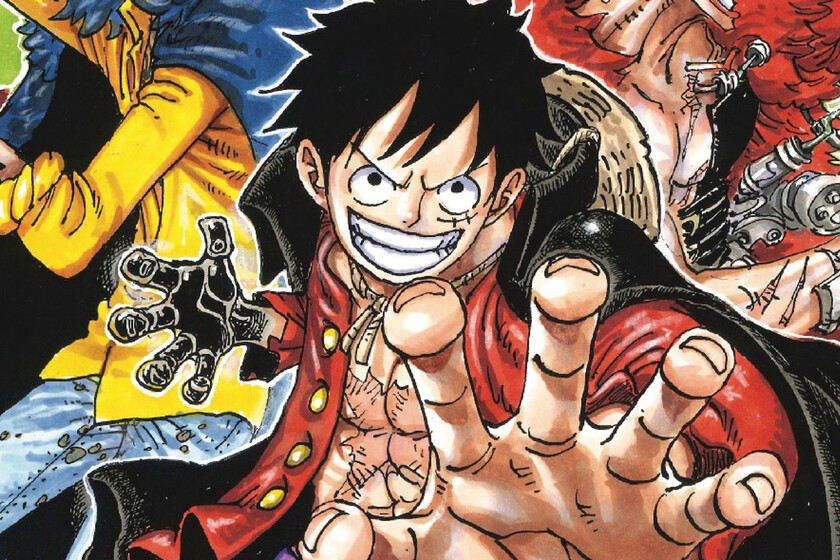
Eiichiro Oda's frequent hiatuses from the One Piece manga stem from his intensive oversight of the franchise's simultaneous multimedia expansions. Toei Animation confirmed new theatrical anime films during the annual One Piece Day event, operating alongside a concurrent merchandising push that directly involves the creator's schedule.
Nike Devil Fruit Sneaker Line
The franchise partnership with Nike introduces three distinct Air Max Plus models modeled after the Gomu Gomu no Mi, the Mera Mera no Mi, and the Ope Ope no Mi Devil Fruits. The footwear lineup is accompanied by branded apparel, including long-sleeve shirts, t-shirts, caps, and utility vests designed around series iconography.
Geographic distribution rolls out across staggered global windows beginning in September. Pre-orders for the Luffy-inspired Gomu Gomu model open on September 25 in territories including Spain and Mexico. The Mera Mera variant launches first on September 12 in select Asian markets and Mexico, followed by an Australian release on October 16. The Ope Ope model initiates European pre-orders on September 19.
Production Priorities Shift
The structural pivot toward cinema projects and high-profile global merchandise collaborations explains the irregular publishing schedule of the core manga. While Toei Animation prepares its upcoming film slate, weekly manga chapters face continued intermittent breaks as Oda divides his operational focus between the printed medium, theatrical development, and consumer product design.
This strategic diversification marks a distinct shift in how major anime properties manage commercial output, moving far beyond traditional licensing agreements into direct, co-designed luxury sportswear collaborations. By anchoring the sneaker silhouettes to iconic powers from the lore—specifically Monkey D. Luffy’s rubber abilities, Portgas D. Ace’s fire manipulation, and Trafalgar Law’s spatial surgery operations—the partnership targets both dedicated collectors and mainstream streetwear enthusiasts.
The complexity of orchestrating such a massive global drop across disparate time zones and regional markets requires meticulous oversight from the franchise's creative committee. Fans navigating these shifting publishing intervals must now also monitor complex, region-locked release calendars to secure the limited-edition footwear and coordinating vests before secondary markets inflate their value. Ultimately, this multifaceted commercial offensive ensures that the One Piece brand maintains an omnipresent cultural footprint, even when the source material takes temporary pauses to accommodate the logistical demands of a burgeoning global empire.
As the series approaches its monumental narrative climax, these commercial milestones highlight the transformation of a serialized pirate adventure into a permanent fixture of contemporary pop culture. While the wait for new manga chapters may occasionally test the patience of the readership, the sheer scale of these multimedia ventures guarantees that the legacy of the Grand Line will continue to expand across every conceivable frontier of entertainment and lifestyle retail for years to come.