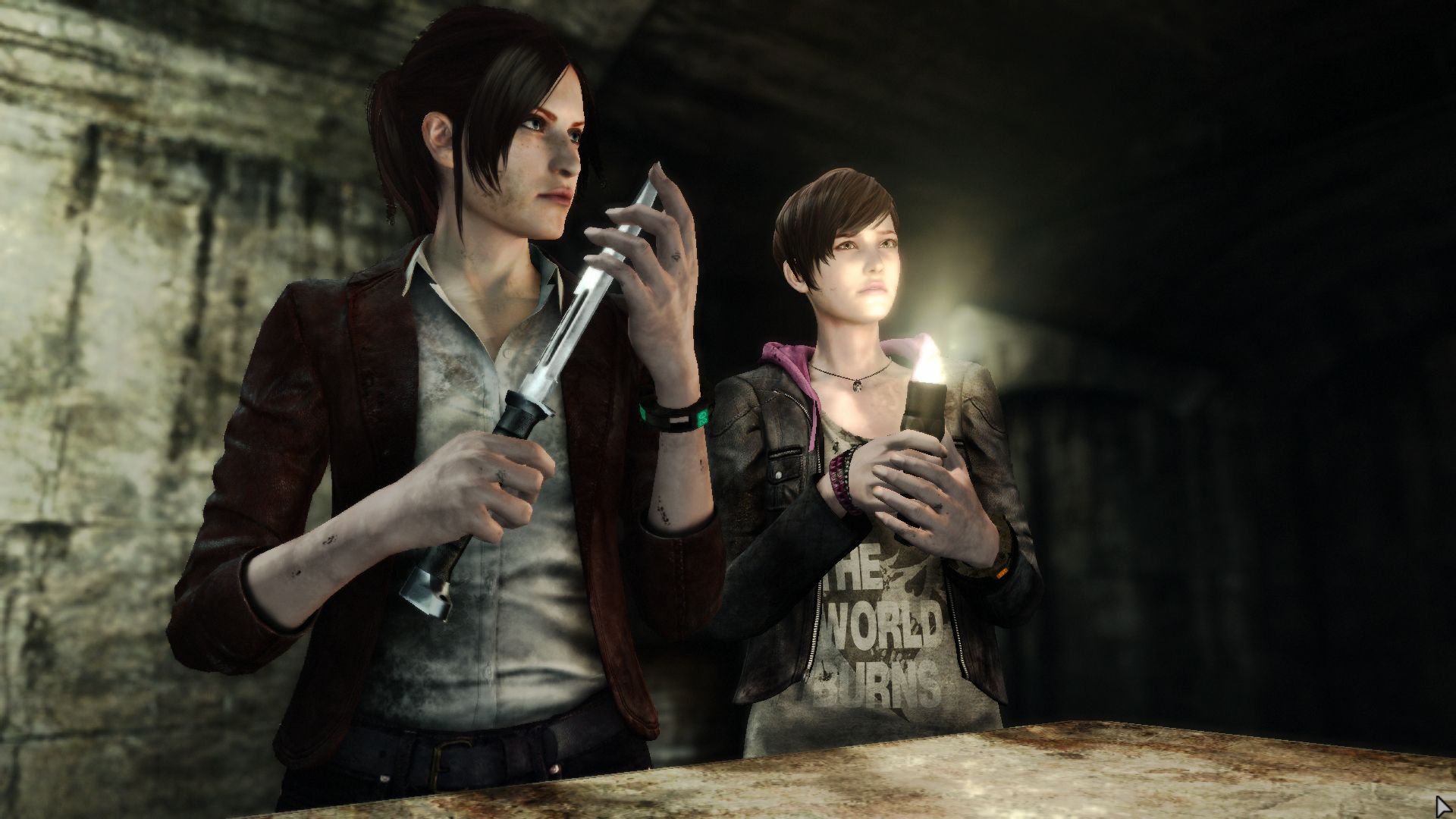
Datamining operations on the PlayStation 5 physical disc of the Resident Evil 4 remake have uncovered leftover assets from a canceled installment in the franchise. The files, extracted by modders, point directly to Project Highway, the internal title for the scrapped Resident Evil Revelations 3. Simultaneously, filmmaker Zach Cregger has clarified the creative direction for his upcoming feature film adaptation within the franchise, confirming a narrative departure from the core games.
Uncovering Canceled Revelations 3 Assets
The discovered data reveals specific textures, models, and reference tags for a character designated as Yuri. According to the internal file structures, Yuri was slated to be a primary protagonist in Project Highway, a game that was ultimately shelved by Capcom during its production cycle. The presence of these assets on the Resident Evil 4 remake disc indicates that developers utilized shared asset libraries and engine architectures across contemporaneous projects, accidentally leaving orphan files embedded in the final master build.
These remnants provide concrete insight into the scope and visual design of the canceled title. Project Highway was intended to bridge narrative gaps between mainline entries while retaining the episodic structure characteristic of the Revelations sub-series. The leaked character models show a tactical gear design consistent with previous spin-off protagonists, though the project's exact plot details remain locked behind incomplete scripting files.
Theatrical Direction and Original Narrative
While Capcom's internal development shifts away from the Revelations framework, the franchise's cinematic portfolio is moving in a distinct direction. Director Zach Cregger addressed the production status of his live-action adaptation, confirming that the film will bypass established protagonists such as Leon S. Kennedy and Claire Redfield. Instead, the narrative centers on an original cast facing an isolated outbreak.
Cregger emphasized that the adaptation prioritizes atmospheric tension and resource scarcity over the action-heavy set pieces that defined recent Hollywood iterations. The production aims to replicate the mechanical dread of early survival horror titles, focusing on claustrophobic environments and tactical combat restraint rather than direct adaptations of specific game scripts. Studio executives have scheduled principal photography to begin once the final script revisions are cleared.
These developments illustrate a dual-track strategy for the intellectual property. Capcom continues to recycle or repurpose engine assets from abandoned experiments while external partners reshape the cinematic universe around foundational horror mechanics rather than established lore.