Rovio has officially closed its Copenhagen studio and ended all operations in Denmark following the permanent cancellation of the mobile game Sonic Blitz. The decision brings an immediate halt to the project, which will not receive a global release and is now entirely unplayable.
Project Cancellation and Soft Launch
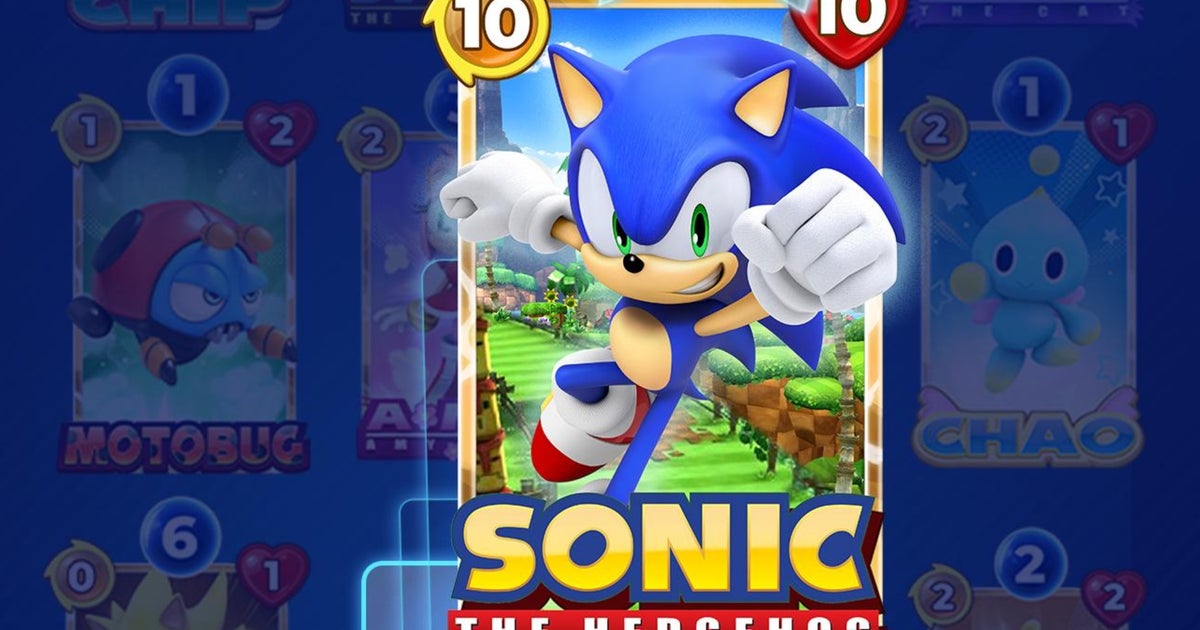
Announced in June 2025, Sonic Blitz combined traditional endless runner mechanics with card-battling elements. The title entered a regional soft launch phase in Brazil and the Philippines, where it accumulated 200,000 downloads before development was abruptly halted. Parent company Sega, which finalized its acquisition of Rovio in 2023, pulled the game from digital storefront availability on August 24, 2026, after internal reviews flagged lower-than-expected financial performance metrics.
Studio Closure and Restructuring
The studio closure directly affects approximately 20 employees who were actively developing the title in Copenhagen at the time of the shutdown. While the studio is winding down operations permanently, management has offered relocation packages to a portion of the impacted workforce as restructuring efforts continue across Rovio's remaining European hubs under Sega's oversight.
This strategic retreat from Denmark marks a contraction in Rovio's regional footprint and signals a shift in the company's mobile development pipeline. By abandoning the hybrid runner-battler model and trimming regional operations, Rovio is pivoting resources toward core revenue-generating properties as Sega recalibrates its mobile strategy following the multi-million-dollar acquisition.
Industry analysts note that this high-profile cancellation highlights the growing difficulty of standing out in a saturated mobile marketplace, even when leveraging globally recognized intellectual properties like Sonic the Hedgehog. The attempt to merge rapid-fire runner controls with tactical card-deck management ultimately failed to resonate strongly enough during the initial testing phases to justify further capital investment. Moving forward, the Finnish developer faces mounting pressure to deliver reliable monetization across its existing portfolio rather than relying on experimental genre crossovers.
Ultimately, the closure of the Copenhagen office serves as a cautionary tale for legacy studios attempting to pivot toward unproven gameplay loops in an increasingly unforgiving economic climate. As Sega continues to absorb and streamline its subsidiaries, the focus moving forward will undoubtedly rest on tightening quality control and protecting established brand equity, ensuring that future projects can weather the volatile pressures of the modern mobile ecosystem before ever reaching the critical soft-launch threshold.