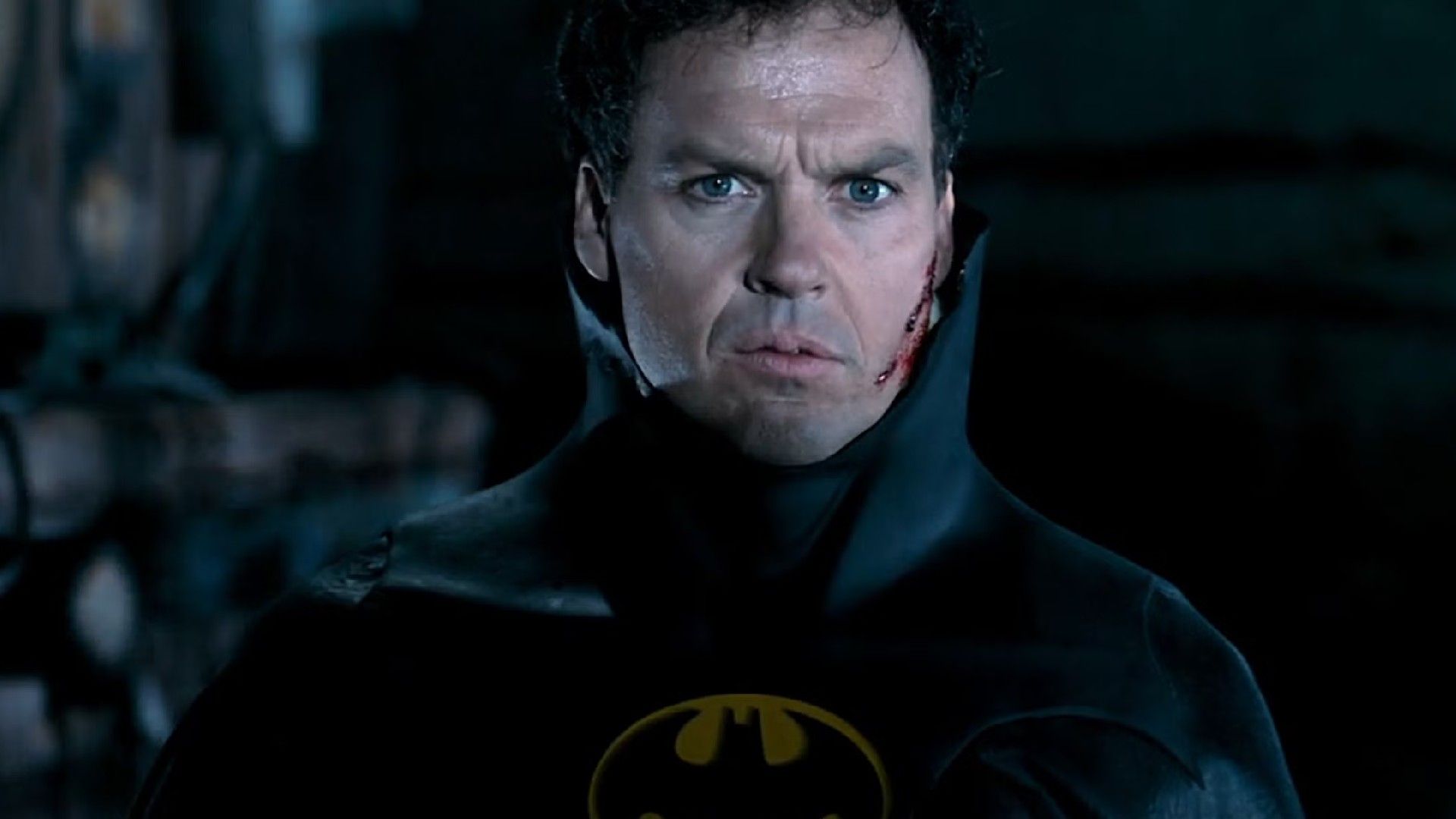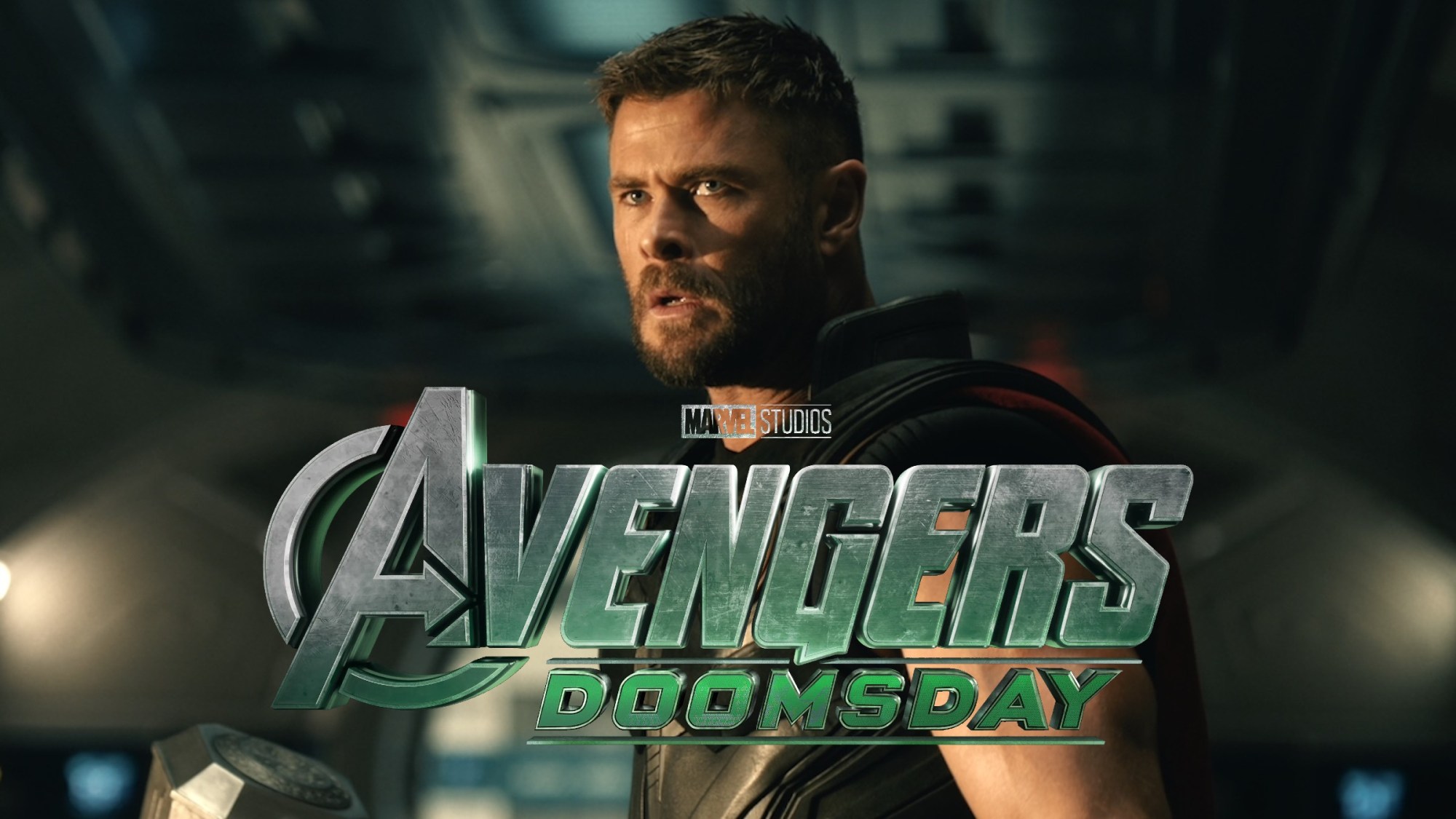
Directors Anthony and Joe Russo have confirmed that Avengers: Doomsday entered production without a finalized script, operating instead under an iterative writing model where the screenplay functions as a living organism throughout filming.
Production and Rehearsal Methodology
With the theatrical release locked for December 18, 2026, the directing duo relies on an improvisation-heavy and rehearsal-driven methodology. This workflow allows the creative team to adjust narrative beats and character dynamics dynamically during principal photography rather than adhering strictly to a static blueprint established prior to Day One.
The strategy directly supports the logistical demands of assembling a massive ensemble cast that bridges multiple cinematic eras. The roster brings together the core Avengers lineup, the Fantastic Four, and original X-Men continuity characters. Additionally, the production anchors its central conflict around Robert Downey Jr.’s high-profile return to the Marvel Cinematic Universe, this time cast as the primary antagonist Doctor Doom.
Reshoots and Cameo Speculation
The absence of a locked script from the onset validates persistent industry rumors surrounding extensive reshoots and the fluid integration of surprise character cameos. Because the production framework treats the narrative as adaptable, the creative team retains the structural flexibility required to insert late-stage additions, restructure sequences, and respond to ongoing editorial developments close to the delivery deadline.
This operational approach marks a notable shift from traditional blockbuster pipeline management, where visual effects sequences and script locks are finalized years in advance. For the MCU, utilizing a malleable screenplay for a crossover event of this scale indicates that the final narrative structure of the film will take shape in the editing room as much as on the soundstage.
Such a flexible production schedule requires immense coordination between the directors, the stunt coordinators, and the visual effects houses, who must adapt to shifting priorities on short notice. Industry analysts are closely watching how this method impacts the overarching Multiverse Saga, noting that Marvel Studios is banking on the Russos' proven track record of handling massive ensemble casts under pressure. By keeping the narrative doors open, the studio preserves the option to pivot based on early test screenings or shifting audience expectations leading up to the holiday release window.
Ultimately, whether this high-risk gamble pays off will be judged by how seamlessly the sprawling multiverse storylines converge on the big screen. As December 2026 approaches, the world will be watching to see if this unorthodox, organic filmmaking process delivers the cohesive cinematic punch fans have come to expect from the MCU.