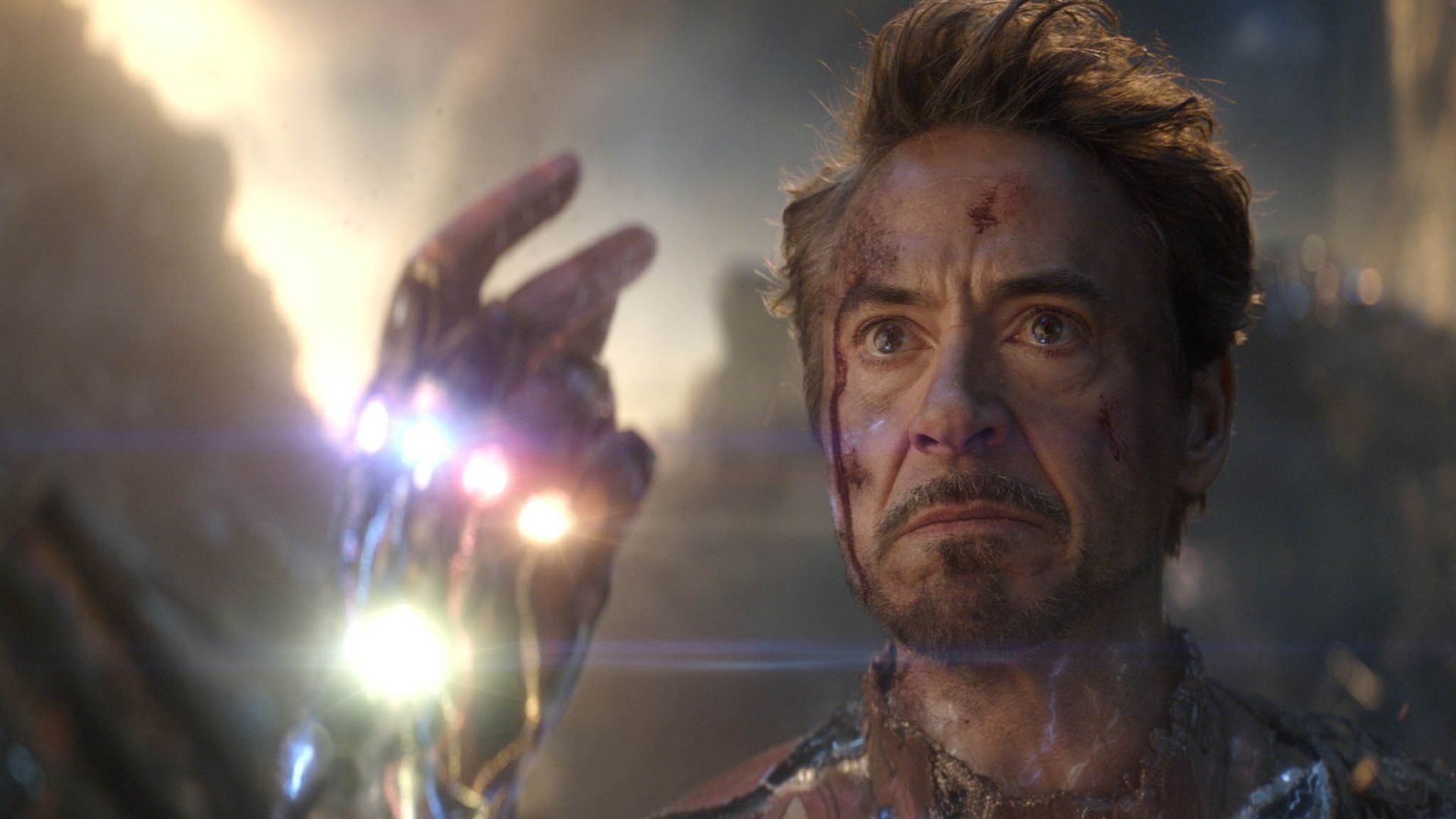
Sony Pictures and Amazon MGM Studios are steering the Spider-Man intellectual property through sharply divergent outcomes across theatrical exhibition and streaming. While the theatrical slate continues to break historical box office records, the television strategy is undergoing an immediate contraction following the cancellation of a high-profile series despite critical acclaim.
Box Office Domination
Released on July 29, 2026, Spider-Man: Brand New Day has grossed $2.4 billion worldwide, establishing itself as the third-highest-grossing film in cinematic history. Directed by Destin Daniel Cretton, the 145-minute feature maintains a robust theatrical footprint globally, driving studio revenues and cementing the live-action franchise's commercial dominance on the big screen. The film's performance reinforces Sony's reliance on traditional theatrical windows for its primary Marvel asset, contrasting with the volatility of its streaming ventures.
Streaming Cancellation
In the television sector, Prime Video has canceled Spider-Noir after a single season despite strong initial metrics and industry recognition. Debuting on May 27, 2026, the series drew 851 million viewing minutes during its opening week and secured 11 Emmy nominations, ultimately converting those bids into five wins. However, internal calculations regarding production expenditure and long-term subscriber retention prompted executives to halt development on a second season.
The termination of Spider-Noir does not signal an exit from the television space for Amazon. The studio retains its licensing agreement with Sony to adapt alternative characters from the Spider-Man universe and is currently evaluating new properties for future development. These upcoming projects will attempt to balance the high production costs that led to the cancellation of the Noir series with audience engagement metrics required by the platform.
Industry analysts note that while the streaming venture ultimately stumbled on cost-to-retention ratios, the critical validation proved that alternative interpretations of the mythos can resonate with mature demographics. Amazon and Sony are expected to apply these lessons as they pivot toward fresh concepts, aiming to capture the prestige television market without repeating the financial missteps of their inaugural comic adaptation.
Ultimately, this stark divergence between theatrical triumph and streaming turbulence highlights the precarious balancing act studios face in the current media landscape. As Brand New Day continues to draw massive global audiences in cinemas and secure its legendary box office status, the television division must recalibrate its ambitions to ensure long-term viability. By carefully weighing the economic realities of high-budget production against the shifting demands of home viewers, Sony and Amazon hope to forge a more sustainable path forward for their collaborative superhero universe.