Directors Joe and Anthony Russo have detailed the structural foundation of Avengers: Doomsday, pointing to Sergio Leone’s 1968 spaghetti western Once Upon a Time in the West as the primary stylistic and tonal template for the upcoming Marvel Studios release. Opening in theaters on December 18, 2026, the production relies on an evolving script rather than a locked screenplay, a methodology the filmmakers defended as an intentional creative choice.
Production and Western Aesthetic
The Russos confirmed that Avengers: Doomsday is being treated as a living organism during its shoot, adapting dialogue and narrative beats dynamically rather than adhering to a rigid blueprint. This approach mirrors the deliberate pacing and visual framing of Leone's classic cinema, substituting a traditional frontier setting for the fractured realities of the Marvel Cinematic Universe.
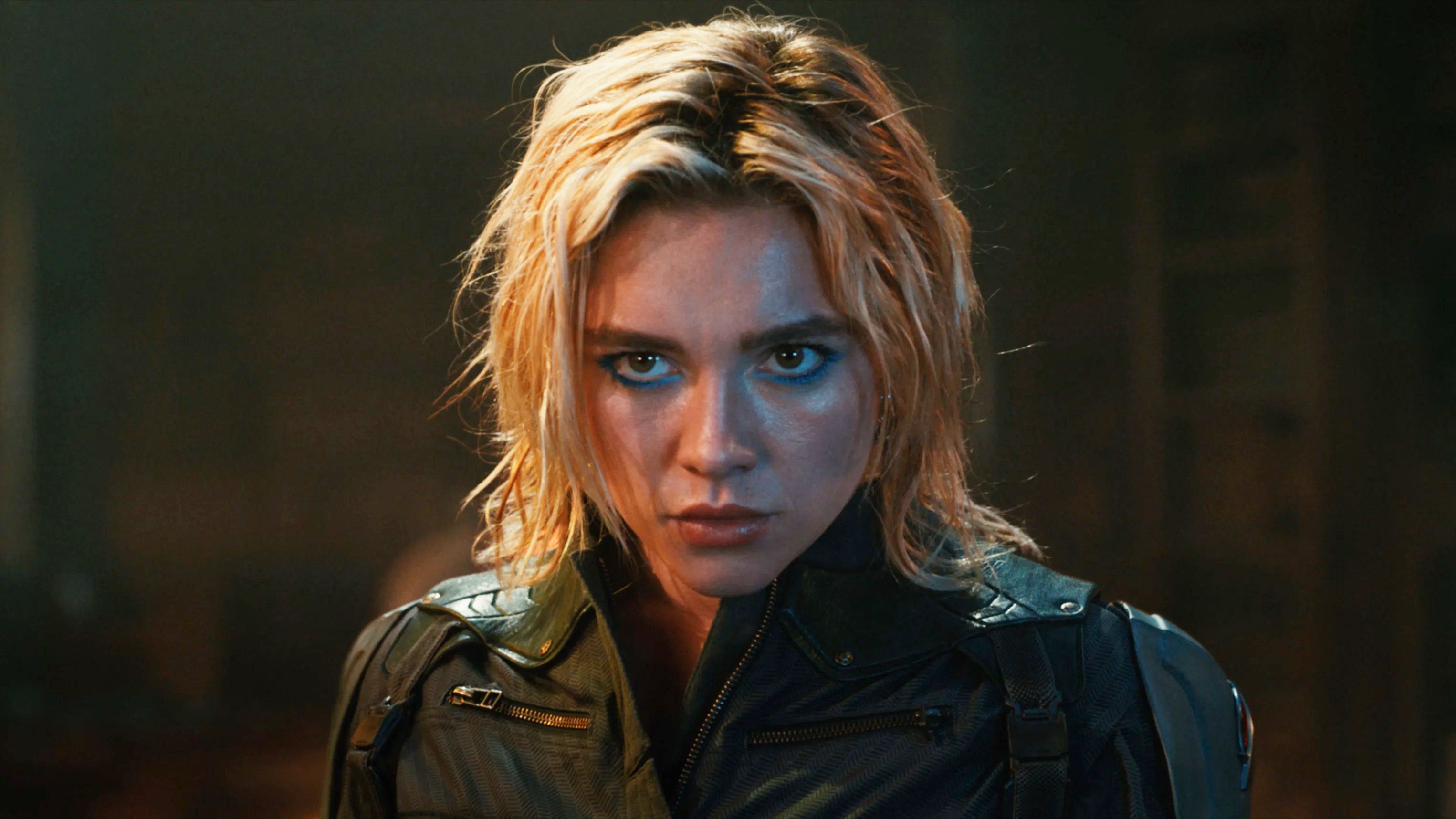
The strategy underpins the narrative architecture required to bridge the end of the Multiverse Saga. The ensemble cast features Robert Downey Jr. starring as Doctor Doom, alongside Chris Hemsworth, Pedro Pascal, Vanessa Kirby, Anthony Mackie, Florence Pugh, Patrick Stewart, and Ian McKellen.
Secret Wars Casting Updates
Production momentum has simultaneously extended into the subsequent chapter, with casting confirmations for Avengers: Secret Wars. Noah Jupe has officially joined the project in an undisclosed key role. Jupe's addition joins a production slate that positions Secret Wars as the direct narrative follow-up, scheduled for a December 17, 2027 theatrical release.
Both films operate as a back-to-back conclusion for the current overarching continuity. Robert Downey Jr.'s character serves as the primary antagonist anchoring the conflict across both features, tying the western-influenced framing of Doomsday directly into the multiversal resolution of Secret Wars.
This ambitious two-part finale represents the culmination of years of interconnected storytelling, requiring both creative flexibility and precise logistical coordination. By utilizing an improvisational framework for the initial chapters, the filmmakers aim to capture genuine interpersonal dynamics among a massive roster of characters before locking the final cuts.
Industry analysts note that anchoring these massive events with a singular, high-profile antagonist provides a stark narrative anchor reminiscent of classic cinematic showdowns. The thematic weight of the overarching conflict rests heavily on this villainous pivot, shifting the traditional heroic journey into a tense battle for survival against overwhelming multiversal odds.
As the December 2026 release date approaches, anticipation continues to build around how the studio will execute this monumental crossover event in theaters. Ultimately, the success of this grand experiment will depend on whether the Russos' unorthodox, fluid approach to filmmaking can successfully harmonize the vast, colliding timelines of the Multiverse Saga into a cohesive, unforgettable cinematic climax.