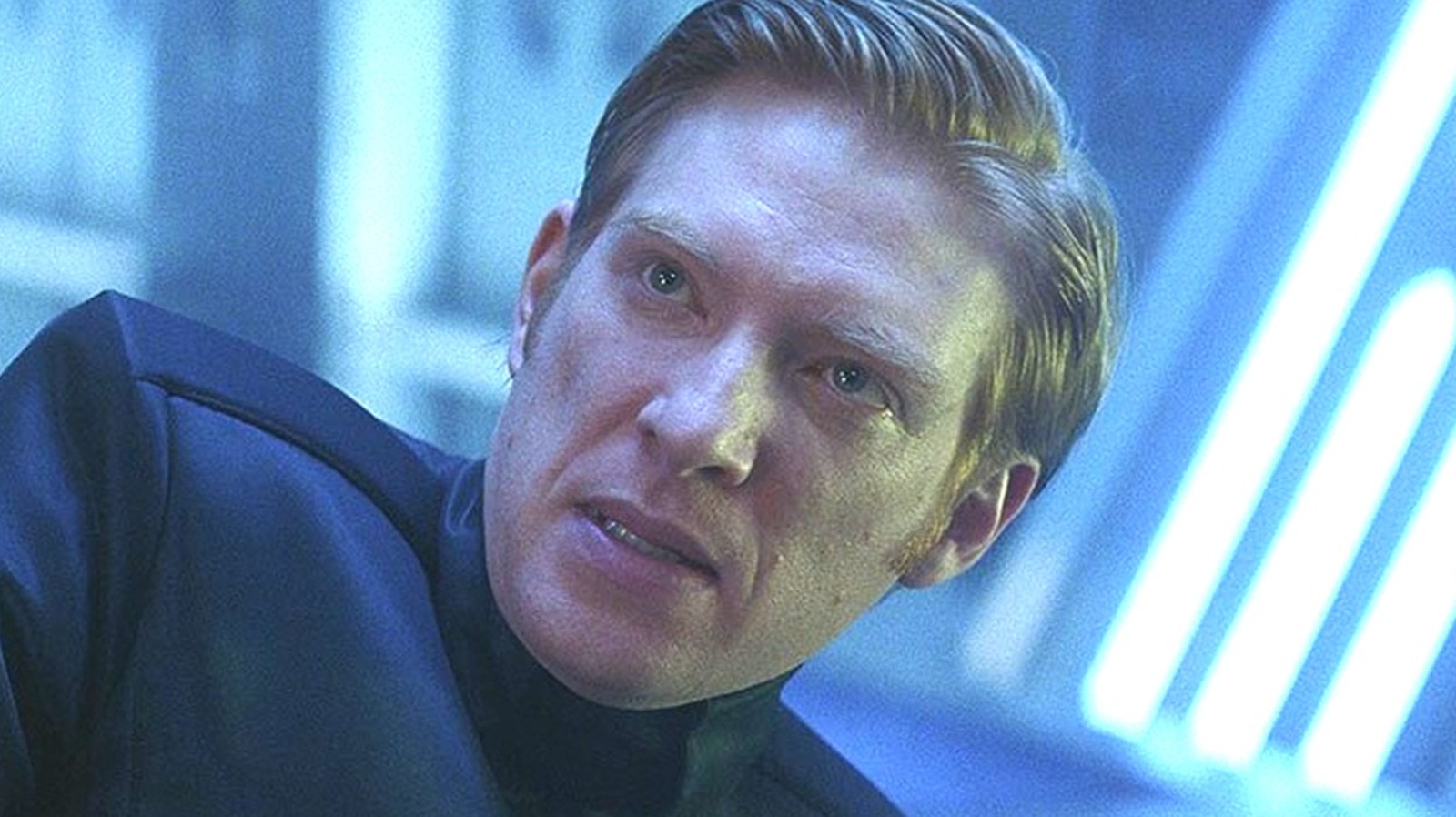
Domhnall Gleeson has addressed the conclusion of his time in the Star Wars sequel trilogy, specifically reflecting on General Hux’s abrupt death in 2019's The Rise of Skywalker. The actor confirmed that he wanted to stay in the franchise longer, though he offered specific perspective on how his character was written out of the narrative.
Reactions to the Exit
Gleeson described the sudden death of the First Order officer as devastating for his future in the galaxy far, far away. Despite the character's unceremonious departure, the actor expressed satisfaction with a specific detail of the sequence: Allegiant General Pryde, played by Richard E. Grant, was the person who executed him for treason. According to ComicBook, Gleeson also revealed the logistical reality behind the sequence, noting that stunt performers handled the heavy lifting for the physical fall during the scene.
Production Realities
The commentary sheds light on the internal perspective of the sequel trilogy's final installment. Gleeson acknowledged a clear willingness to have reprised the role in subsequent Star Wars projects if the character's arc had permitted survival. Instead, Hux was exposed as the spy aiding the Resistance and immediately shot by Pryde in a briskly paced scene that polarized parts of the fanbase upon release.
This retrospective insight highlights the gap between an actor's investment in a major franchise role and the rigid narrative demands of wrapping up a nine-film saga. While Lucasfilm continues to expand the timeline through upcoming cinematic projects and television series, Hux remains firmly closed off from future storytelling, ending Gleeson's tenure in the franchise permanently.
The transition from formidable First Order commander to sudden traitor marked a sharp pivot for a villain who had commanded significant screen time in The Force Awakens and The Last Jedi. This narrative compression left little room for the character to breathe or establish a deeper legacy before meeting his end, a creative choice that continues to spark debate among cinephiles and franchise loyalists alike.
Ultimately, Gleeson's candid remarks underscore the bittersweet nature of blockbuster filmmaking, where performers often invest years into building complex cinematic identities only for them to be resolved in a matter of seconds.
As the dust settles on the sequel trilogy era, these behind-the-scenes reflections remind us of the human element behind the massive corporate machinery of a Disney-backed blockbuster. Even as the franchise charts new creative waters with upcoming cinematic ventures helmed by a new wave of filmmakers, the lingering questions surrounding characters like General Hux prove that the impact of a performance endures long after the credits roll. For Gleeson, the experience remains a defining chapter in a diverse career, even if the galactic journey was cut unexpectedly short.


