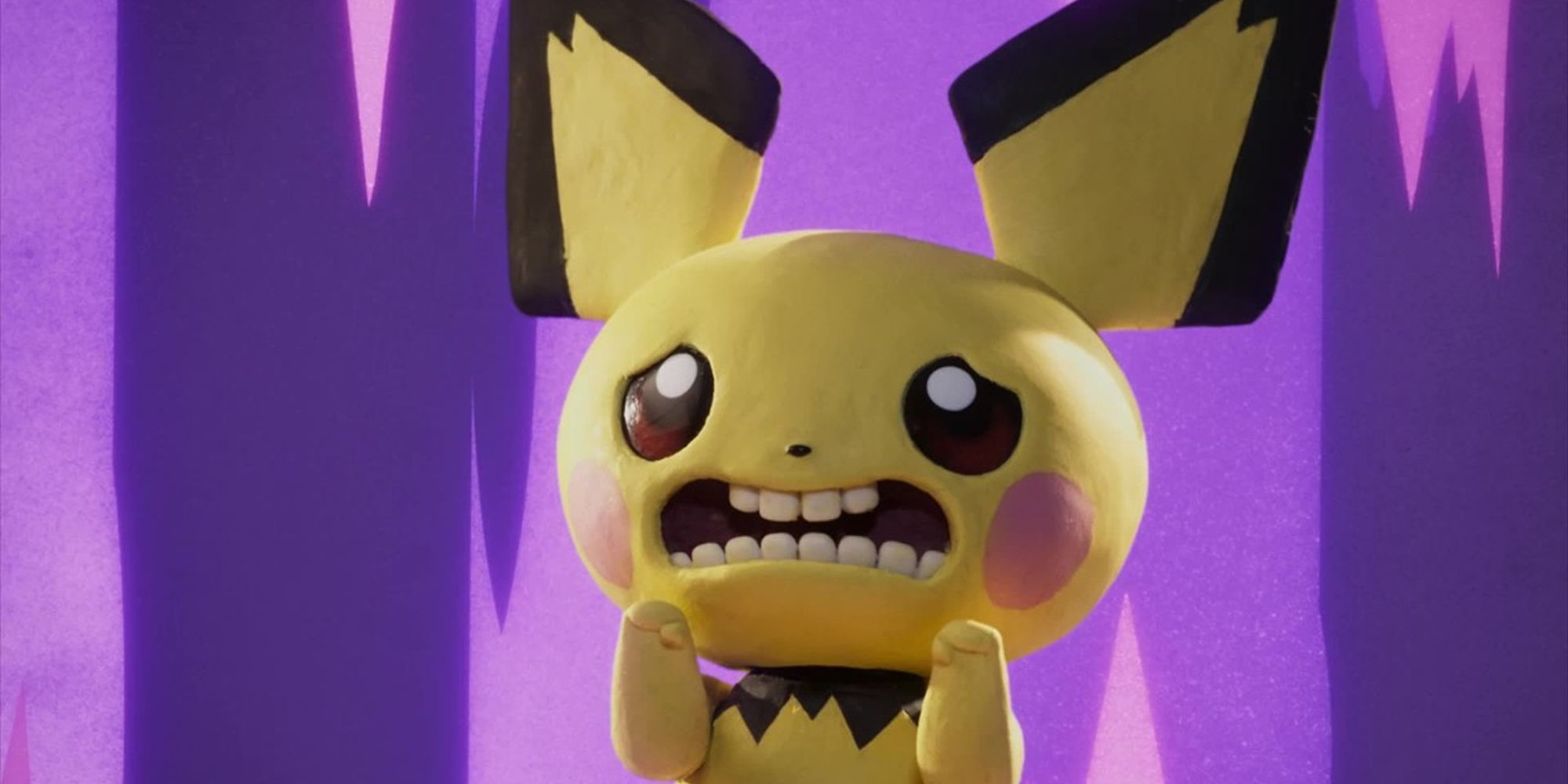
The Pokémon Company unveiled the first footage from Aardman Animations' upcoming stop-motion series alongside historical development documents detailing the creation of the franchise's core mechanics during the Pokémon XP convention in San Francisco.
Aardman’s Galar Stop-Motion Project
The new series, titled Pokémon Tales: The Misadventures of Sirfetch’d & Pichu, is directed by Tom Parkinson. Set entirely within the Galar region, the production marks the first time the franchise has utilized Aardman's signature stop-motion claymation style.
The project stems from a direct collaboration between The Pokémon Company and the British studio. Distribution rights are secured for a global premiere in 2027, with episodes streaming exclusively worldwide on Disney+ and Disney XD.
Generation 1 Link Cable Crisis
During a separate technical panel at the convention, CEO Tsunekazu Ishihara discussed archival records from the development of Red and Green. Game Freak nearly removed the Game Boy link cable functionality late in the production cycle due to persistent bugs that corrupted trade data.
Engineers faced a binary choice between item and creature duplication errors or permanent save-file erasure during transmission. The team chose to accept duplication glitches rather than abandon the hardware connectivity feature, which subsequently defined the multiplayer structure of the entire franchise.
These developments outline the dual trajectory of the property, pairing high-budget external studio partnerships for upcoming platform content with retrospective transparency regarding the technical constraints overcome during the 1996 launch.
The distribution agreement with Disney marks a notable expansion of the brand's streaming footprint. When Pokémon Tales arrives in 2027, Disney+ subscribers will gain exclusive access to the stop-motion series alongside the platform's existing catalog of animated entries, broadening the service's family lineup with Aardman’s distinct European visual craft.
Simultaneously, Ishihara’s transparency regarding the link cable provides verified historical context for the fragile engineering decisions that made the franchise a global phenomenon. By accepting software duplication glitches over catastrophic data deletion, Game Freak preserved the interpersonal trading dynamic that ultimately defined the social fabric of handheld gaming. As the property approaches future milestones, this balance between high-profile creative experimentation and retrospective technical insight reinforces how foundational risks continue to shape its modern multimedia strategy.
The selection of Sirfetch’d and Pichu highlights an intriguing narrative contrast, pairing the stout duck with the playful mouse. Ultimately, these revelations cement the franchise's legacy, proving its evolution relies equally on bold artistic ventures and the humble technology that first bound trainers together.