Developer Sickhead Games and publisher Rock It Games have released Jaleco Sports: Faceoffs digitally on PlayStation 5 and Nintendo Switch, arriving on the same day Nintendo confirmed the permanent shutdown date for Mario Kart Tour. The retro compilation compiles six classic sports titles from the NES and SNES eras, priced at $9.99 with a launch window discount reducing it to $7.99.
Classic Sports Compilation Details
The collection focuses on 8-bit and 16-bit titles that originally defined Jaleco’s sports catalog across Nintendo hardware. Specifically, the package features five Nintendo Entertainment System titles alongside one Super Nintendo release: Pro Sports Hockey, USA Ice Hockey, Moero!! Junior Basket-Two on Two, Hoops, Moero!! Pro Tennis, and Racket Attack. Sickhead Games handled the technical conversion for modern hardware platforms, bringing the legacy software to current-generation storefronts without physical media distribution at launch.
Mario Kart Tour Shutdown
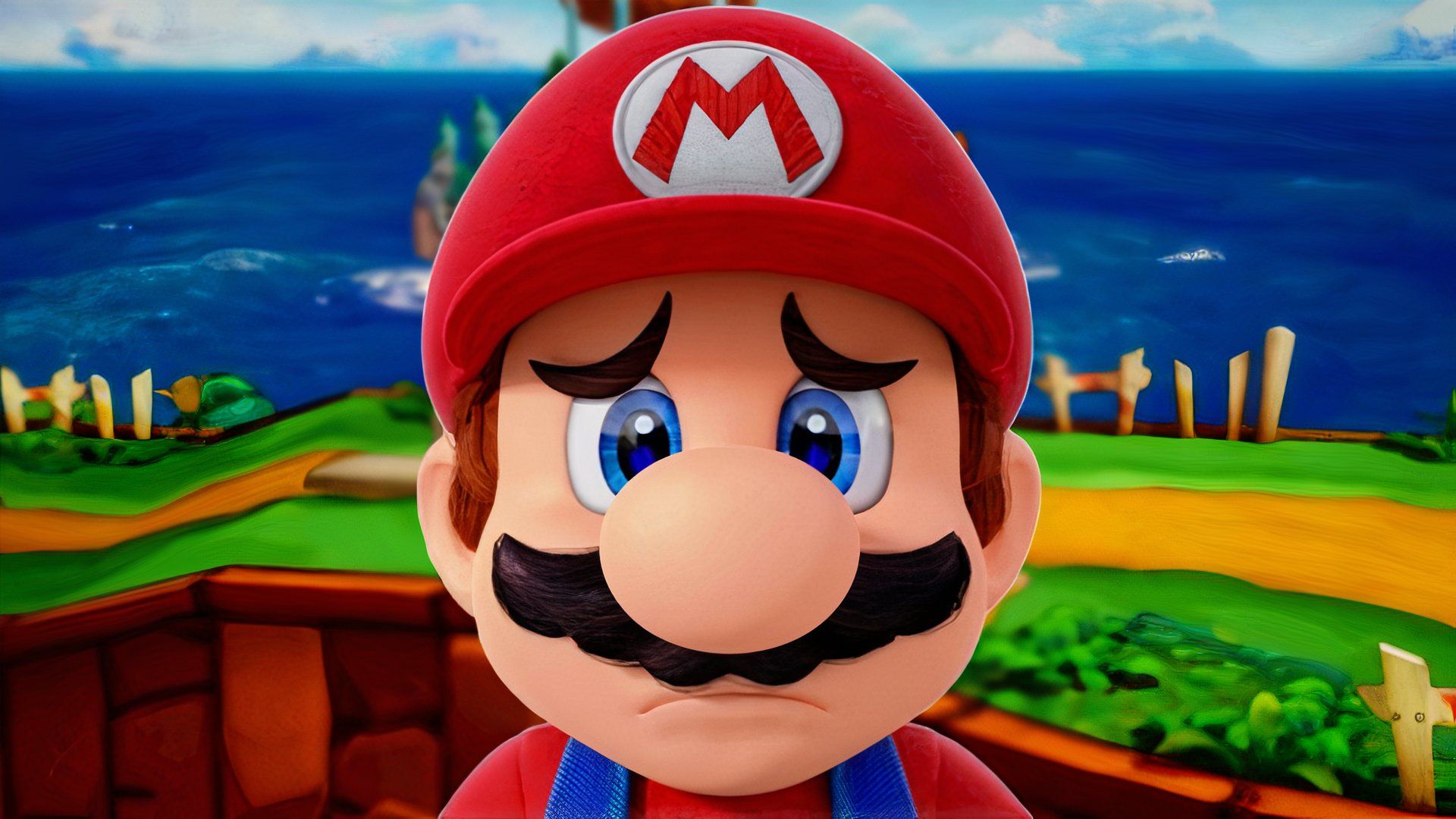
In parallel to the retro bundle's release, Nintendo finalized the end-of-service timeline for its mobile racer. Mario Kart Tour will permanently close its servers on September 29. Nintendo has confirmed that the application will not receive an offline standalone client, meaning the software will become entirely unplayable once the servers go offline. Players retain no access to their profiles, earned karts, or accumulated content after the September cutoff date, effectively retiring the title from the active mobile marketplace.
The simultaneous release of the Jaleco Sports bundle and the termination of Mario Kart Tour highlight contrasting industry approaches to legacy software preservation. While independent publishers utilize digital storefronts to rescue out-of-print 8-bit and 16-bit cartridges for modern consoles, major mobile-first titles remain vulnerable to permanent deletion when publishers pull server support. For console owners, the Jaleco collection offers a durable purchase, whereas mobile users face the complete evaporation of an active online ecosystem.
The disparity between these two events underscores a broader debate within the gaming community regarding digital ownership and the lifecycle of interactive entertainment. As companies increasingly rely on cloud infrastructure and live-service models, titles tied exclusively to remote servers run the risk of vanishing entirely from consumer hands. Conversely, traditional bundled releases—even when distributed purely through digital storefronts on platforms like the PlayStation 5 and Nintendo Switch—tend to grant users stable, self-contained access to the underlying code, free from the dependency of active developer maintenance or online check-ins.
Industry analysts point out that smaller studios and boutique publishers are stepping in to fill preservation gaps left by major corporations, utilizing emulation and modern porting techniques to rescue obscure catalogues from obscurity. By making these historical titles accessible on current-generation hardware for under ten dollars, developers ensure that gaming heritage remains available to both veteran enthusiasts and younger generations curious about the 8-bit and 16-bit eras, standing in stark contrast to the disposable nature of modern mobile gaming ecosystems.