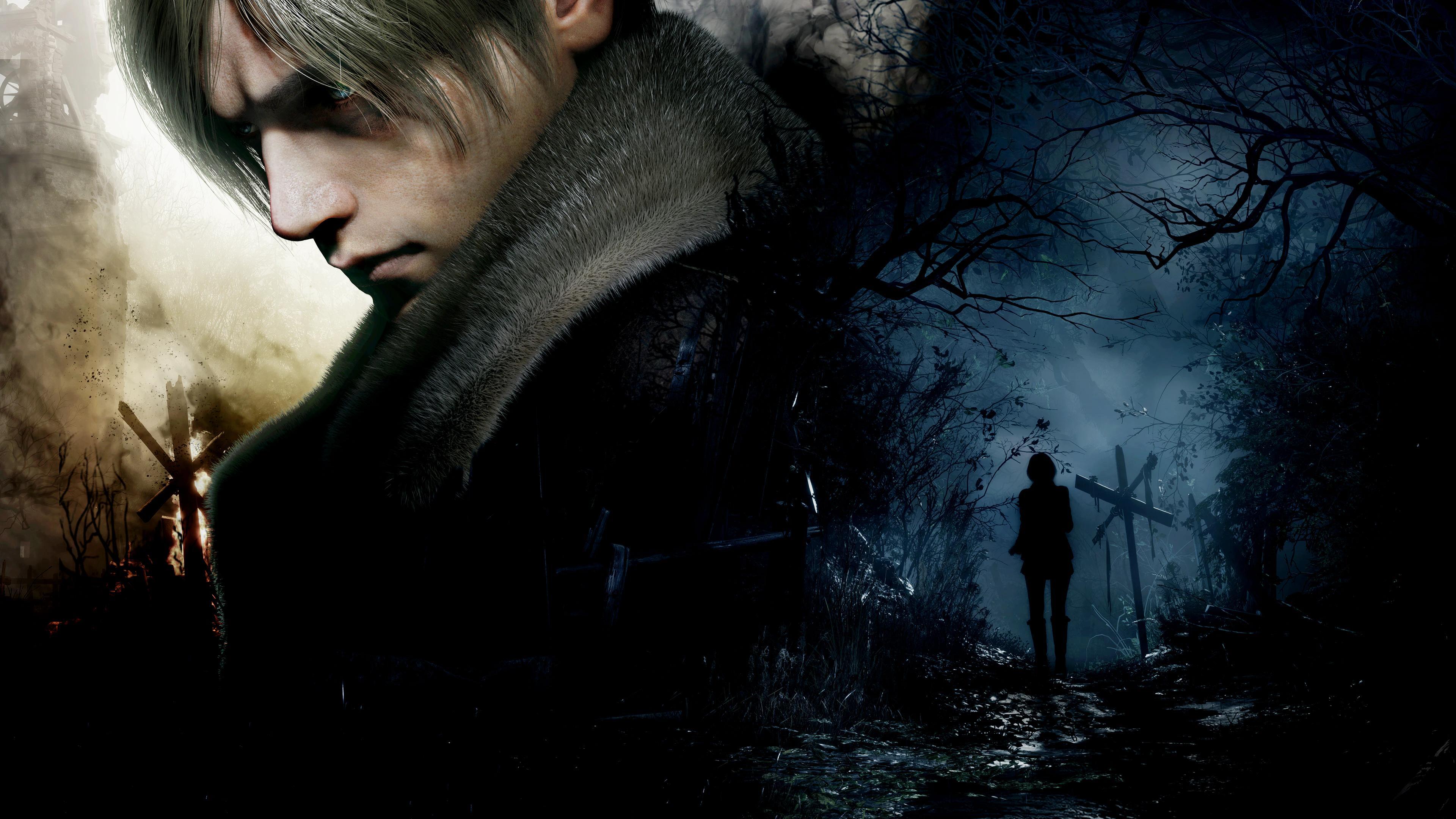
Filmmaker Zach Cregger has addressed the online friction surrounding his upcoming Resident Evil feature film, conceding that underestimating the passionate fanbase's desire for legacy characters was a miscalculation. Rather than adapting established game arcs involving figures like Leon S. Kennedy or Jill Valentine, the movie centers on an original protagonist navigating the initial outbreak.
Original Narrative Choices
Austin Abrams stars as Bryan, a medical courier operating in Raccoon City during the viral collapse. Cregger explained that placing an ordinary worker at the epicenter allowed for a ground-level perspective of the crisis without relying on franchise veterans. While the story departs from established protagonists, it runs parallel to the timeline of Resident Evil 2.
Production details indicate the film integrates core survival horror mechanics from the source material. Props and set designs incorporate familiar survival elements, including shotgun shells, functional padlocks, safe room typewriters, and documentation tied to an Umbrella Corporation organ transplant delivery slip. Cregger noted that his engagement with the franchise extends to the games themselves, referencing a severe panic attack he experienced while playing Resident Evil 8 in virtual reality during the infamous giant baby sequence.
Fan Expectations
The creative direction has drawn criticism from segments of the community expecting a direct cinematic translation of the games. Cregger acknowledged his initial naivety regarding the rigidity of fan expectations for adaptations of long-running interactive properties.
This approach confirms that audiences looking for a traditional ensemble narrative featuring established heroes will not find it in this installment. Instead, the project relies on atmospheric dread, systemic survival tropes, and peripheral world-building within the established corporate conspiracy framework. The production represents a calculated risk by prioritizing a self-contained thriller inside the universe over fan-service casting.
Despite the vocal opposition from purists who demand a beat-for-beat translation of the source code, the studio remains fully committed to Cregger’s singular vision. Industry observers suggest that distancing the cinematic universe from the baggage of twenty-five years of convoluted lore might actually offer the property a much-needed breath of fresh air, attracting mainstream horror audiences who have never touched a controller. By treating the apocalyptic setting as a canvas for a grounded survival thriller rather than a mere checklist of fan service moments, the creative team hopes to replicate the genuine psychological tension that defined the earliest entries of the franchise.