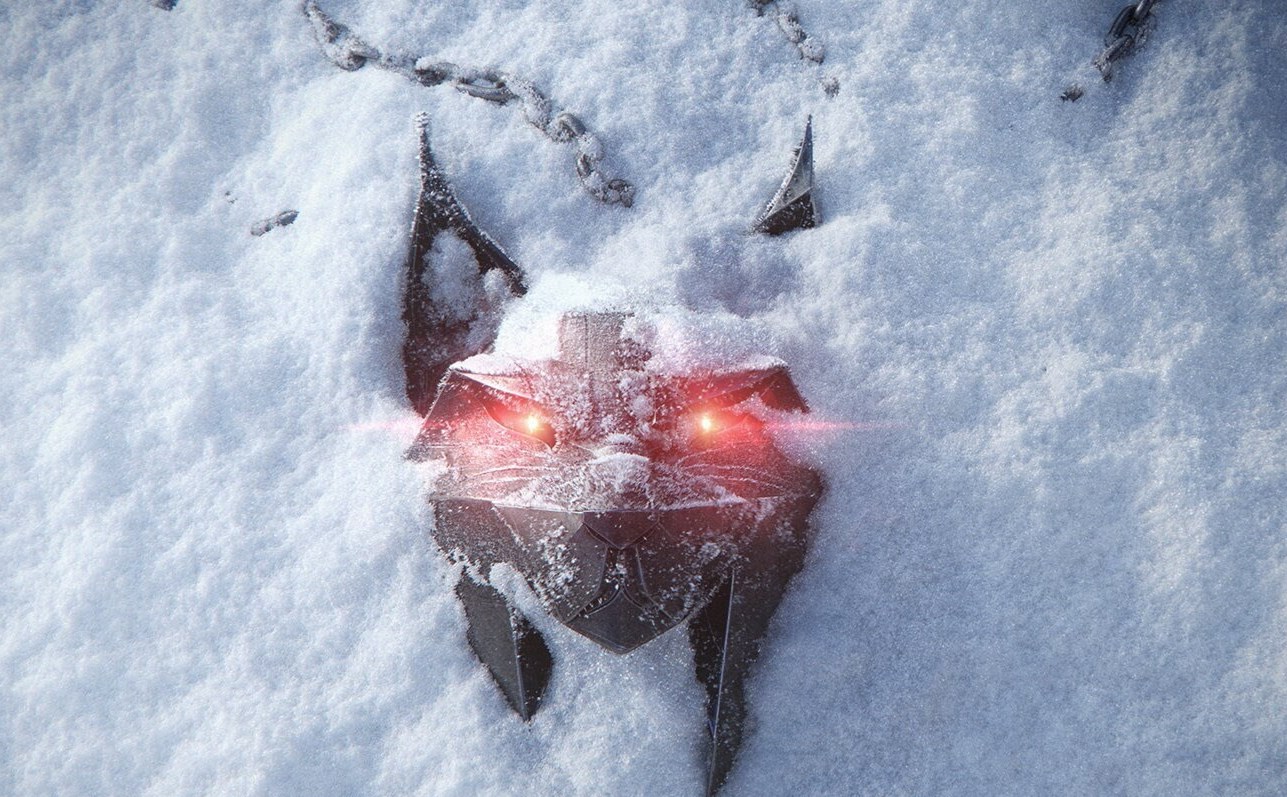
CD Projekt Red has targeted a 2028 release window for The Witcher 4, currently in development by a team exceeding 500 staff members. The studio confirmed the timeline alongside plans for a new expansion for The Witcher 3, titled Songs of the Past, which will bridge the gap between the trilogies ahead of the next-gen sequel's launch on PC, PlayStation 5, and Xbox Series X/S.
The Next Generation Begins
Development on The Witcher 4 centers on a shift in protagonist, with Ciri stepping into the lead role for the start of a planned new trilogy. Moving away from the proprietary REDengine, the studio is building the project on Epic Games' Unreal Engine 5.
The transition required a significant scaling of internal operations. Over 500 developers are currently allocated to the project, making it the studio's primary production focus following the completion of Cyberpunk 2077 expansion work and early phase handoffs.
Songs of the Past Expansion
Before the next mainline entry arrives, The Witcher 3 will receive a new add-on titled Songs of the Past. Scheduled for release in 2027, the project brings back Geralt of Rivia for an additional narrative arc.
CD Projekt Red confirmed that a full gameplay and narrative reveal for Songs of the Past is slated for Gamescom later this month. The project utilizes the updated architecture of the 2022 current-generation port of The Witcher 3, providing fresh content while production continues on the 2028 sequel.
These production schedules establish a firm release cadence for the franchise over the next three years. The 2027 launch of Songs of the Past gives the studio a clear runway toward the 2028 debut of The Witcher 4, keeping the intellectual property active on current-generation hardware while the larger Unreal Engine 5 transition reaches completion.
This dual-track strategy highlights a distinct operational maturity for the Warsaw-based developer, learning from the staggered release challenges of its past projects. By staggering the 2027 arrival of Geralt’s new adventure with the 2028 debut of Ciri’s generational leap, the studio mitigates long content droughts for its player base. Furthermore, leveraging the technical foundations laid by the previous generation's remaster ensures that the upcoming expansion maximizes existing assets without diverting critical engineering resources away from the primary Unreal Engine 5 production pipeline. Industry analysts suggest that this measured pacing will also afford the massive development team ample time for iterative testing, ultimately avoiding the intensive crunch periods that plagued earlier titles. As both milestones approach, the gaming community will be closely watching how these distinct chapters shape the future legacy of the dark fantasy franchise.